What the PEN America Awards Returned With — and What They Left Behind

There is something quietly disquieting about a literary awards ceremony presenting itself as a return to normalcy. I thought about this last Monday evening as I read the reports from Town Hall in midtown Manhattan, where the 62nd annual PEN America Literary Awards distributed nearly $350,000 to writers, editors, and translators — the first full ceremony since the organization canceled its 2024 event amid an author boycott organized by Writers Against the War in Gaza.
The boycott was lifted on December 31, 2025. And so, on March 31, the ceremony returned.
To call this a "return to form" — as the headlines did — is already an interpretive act. What form, exactly? Literary institutions have an odd relationship with the conflicts that occasionally force them to reckon with their own assumptions. PEN was founded, after all, in 1921, as an organization explicitly devoted to the idea that writers can speak across borders, that literature carries an obligation toward freedom. When that principle is tested — when writers themselves disagree, with considerable passion, about what freedom requires — the institution does not simply pause and resume. Something is different afterward, even if the stage and the trophies look the same.
And yet the work recognized this year is worth paying attention to precisely because it resists reduction to institutional narrative. Cannupa Hanska Luger received the PEN/Jean Stein Book Award — $75,000, the largest prize of the evening — for Surviva: A Future Ancestral Field Guide, a book whose title alone makes an argument about what survival literature looks like in the twenty-first century. Aracelis Girmay won the PEN/Voelcker Award for Poetry for Green Of All Heads, a collection I have been carrying with me for weeks in the way one carries certain books because to leave them home feels like abandonment.
Then there was Edwidge Danticat, who received the PEN/Nabokov Award for Achievement in International Literature, presented by Marlon James. There are writers whose careers feel so quietly essential that any formal recognition carries a slight redundancy — not because the award is undeserved, but because the work long ago settled the question of its own necessity. Danticat has spent decades writing about Haiti, diaspora, memory, and the particular weight of belonging to a place that others only see in crisis.
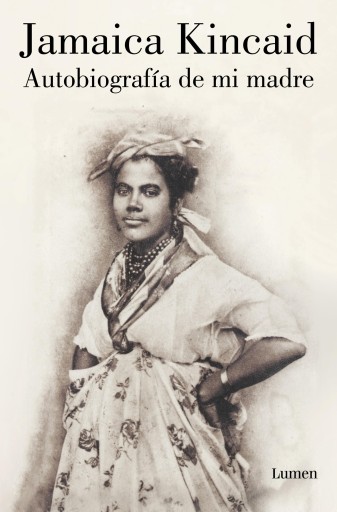
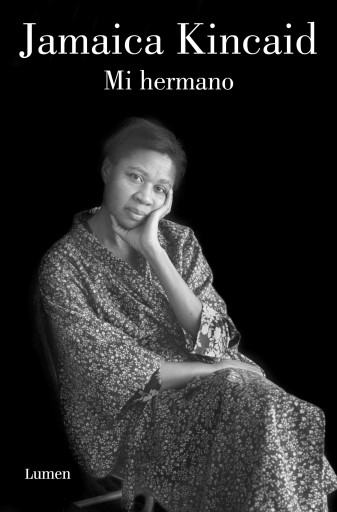
Jamaica Kincaid — whose essays have always been the work of someone who cannot stop interrogating the world and herself simultaneously — received the PEN/Diamonstein-Spielvogel Award for the Essay for Putting Myself Together: Writing 1974–, a collection spanning more than five decades of her thinking. I first encountered Kincaid through Annie John, which is not her most celebrated book but which contains some of the most precisely rendered sentences about the strangeness of growing up that I have read in any language. To trace her essayistic voice from 1974 to now is to watch a mind refuse to simplify itself.
The other winners deserve their due: Peter Beinart for Being Jewish After the Destruction of Gaza; Jared Lemus, who won the debut short fiction prize for Guatemalan Rhapsody; the translation prizes going to work rendered from Spanish and Italian into English. In another year, each of these would be the story. This year they share the stage with the question the ceremony implicitly raised: what did two years of absence change?
Perhaps nothing. Perhaps the institution is more durable than the conflicts around it. Or perhaps the literature written during those two silent years — the boycott years, when PEN had to reckon with what it stood for — is where the real record will be kept.