Pérez-Reverte Without Fiction: The Wars He Didn’t Make Up

There is a sentence by Arturo Pérez-Reverte that has been circling my head for days like an irritating refrain: «Publishers solicit books from any celebrity. The good stuff suffocates under so much rubbish.» He said it in an interview with El Cultural about Enviado especial, his new memoir published by Alfaguara, and it is not exactly a revelation — anyone who has wandered through a bookshop knows that the new releases table increasingly resembles an Instagram feed — but coming from Reverte it sounds different. Because Reverte does not say these things from an ivory tower. He says them from the trenches, the only place from which he has ever spoken.
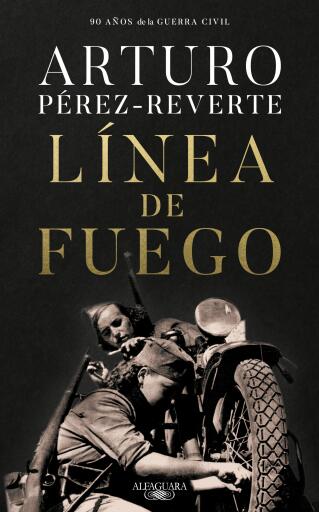
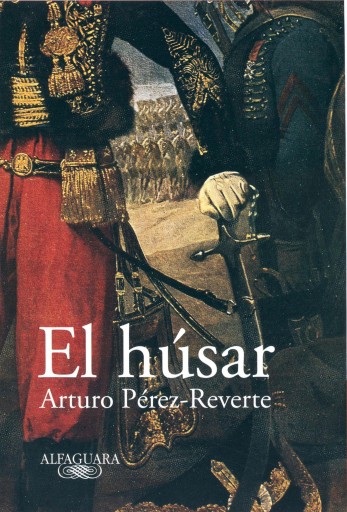
Enviado especial is his account of twenty-one years as a war correspondent for TVE and the Spanish press. Lebanon, the Balkans, Eritrea, the Gulf, Central America. These are the wars that later fed novels like Línea de fuego and El húsar, but here there is no fiction to cushion the blow. Here there is dust, fear, and the gaze of someone who witnessed the worst humans can do to each other and then had to sit down and report it on deadline.
What makes a war memoir by a bestselling novelist interesting in 2026? Several things. First, the contrast. We live in an era where war is consumed in TikTok format: fifteen-second clips, filtered explosions, geopolitics explained by influencers. Reverte comes from a time when correspondents bathed in mud, slept where they could, and had to trust their own eyes because there was no algorithm to tell them what was relevant. Reading Enviado especial is like putting on a vinyl record after years of streaming: noisier, more imperfect, more real.
Second, the writing. Reverte can lapse into provocation — and sometimes enjoys it — but when he gets serious, few pens in Spanish cut as cleanly. His nonfiction prose has the precision of a military dispatch and the cadence of someone who learned to narrate by counting the dead.
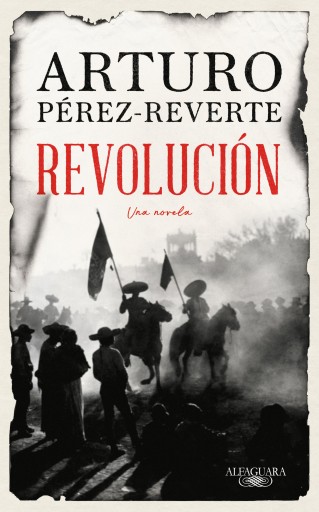
What I find most provocative is the contradiction Reverte embodies without flinching. He is a bestselling novelist who denounces the industry that made him a bestseller. He writes about Revolución and La Reina del Sur and simultaneously says publishers print too much. Hypocritical? Perhaps. Honest? Also. That tension is what keeps Reverte interesting when other writers of his generation have become predictable.
Enviado especial is not a book for feeling good. It is a book for feeling uncomfortable, which is what good nonfiction should always do. Are we willing to read about real wars in a world that prefers to consume fictional ones? Reverte bets we are. And if four decades of career have proved anything, it is that he usually wins his bets.