
The Almudena Grandes Prize Is Awarded for the First Time and Something Shifts in the Chest

The first Premio Almudena Grandes has just been awarded. And while reading the news I thought about her — the author, not the award — and how hard it was for me to read 'Los episodios de una guerra interminable' when it came out, not because it was difficult, but because it was too much. Too present, too painful, too alive for someone who was no longer there.
Posthumous prizes are strange. Naming rights, they call them in English, that awful marketing expression. But the reality behind the thing is this: a community decides that someone was so important it wants to keep saying their name out loud. That it wants that name to enter rooms, appear on envelopes, be spoken with reverence and gratitude. It is a rare and public form of grief.
With Almudena Grandes the situation is more specific. She was not just a great writer — never better said — she was a writer committed to a very particular historical and political project: to recover the memory of the losers of the Spanish Civil War through fiction. The episodes were her way of doing what official History had decided not to do.
That a prize bears her name implies something more than literary recognition. It implies continuing that project. That whoever wins the Premio Almudena Grandes is being measured, at least in part, against that commitment. The name matters. Pronouncing it is a declaration. And that, even if nobody says it in the acceptance speech, is also part of the prize.
Recommended reads
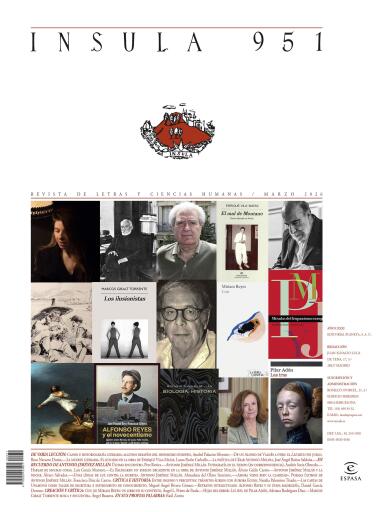
Misceláneo, marzo 2026. Ínsula n° 951, marzo de 2026 Anabel PALACIOS SILVESTRE / Canon e historiografía literaria: alg
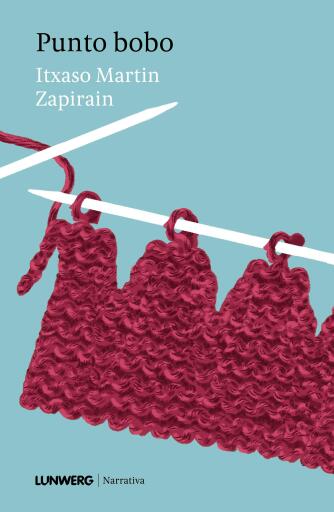
Punto bobo confirma a Itxaso Martín como una de las voces más incisivas de la narrativa vasca contemporánea. Una madre
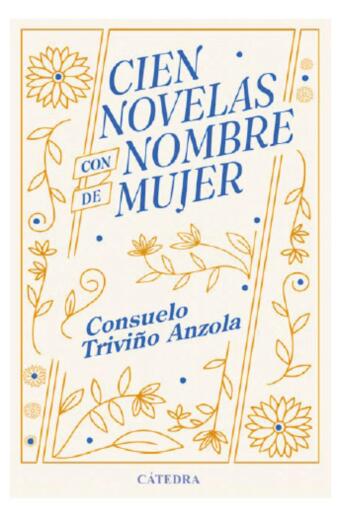
¿Cómo se representa a las mujeres en la literatura? La respuesta a esta pregunta depende, en gran medida, de la época de