
A Publisher Pulls a Book Over AI Allegations — and Nobody Can Quite Say What the Rules Are

Sometime around 2022, publishers started adding boilerplate language to contracts about artificial intelligence. Sometime after that, they mostly stopped understanding what those clauses meant. This week's news — that an unnamed publisher has pulled a book following allegations that significant portions were generated by AI — arrives at a moment when the industry is discovering, somewhat late, that it never quite decided what it believed.
The book in question has not been named in most reports, which is itself instructive. The publisher wants the story to go away, not to become the test case for a policy debate the trade has been quietly avoiding. The allegations, as reported, centre on passages that several readers flagged as bearing the distinctive smoothness of machine-generated prose — correct in all its parts, vivid in none of them.
Whether those readers are right is almost beside the point. What matters is that a publisher could not confidently answer the question when asked. That is not a legal problem; it is an epistemic one. The industry has become very good at talking about AI as a threat to writers' livelihoods, slightly less good at actually requiring that submitted manuscripts contain no AI-generated content, and essentially useless at verifying either claim.
Dickens, famously, published in serial form, under commercial pressure, at enormous speed. Nobody questioned whether the work was his. The question now is not really about speed or commercial pressure — it is about what we mean when we say a book was written by a person, and what we lose if that meaning dissolves. A publisher pulling a book is not an answer to that question. It is, at best, a delay.
Recommended reads

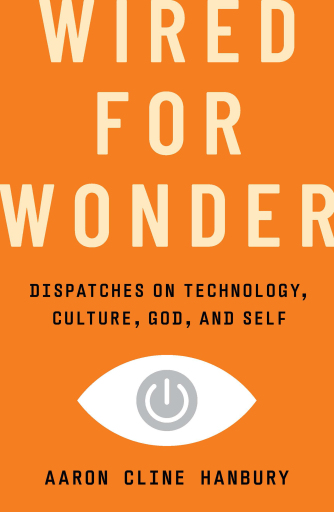
<p>Through relatable, regular-person dispatches from the intersections of technology, faith, and the everyday, this book
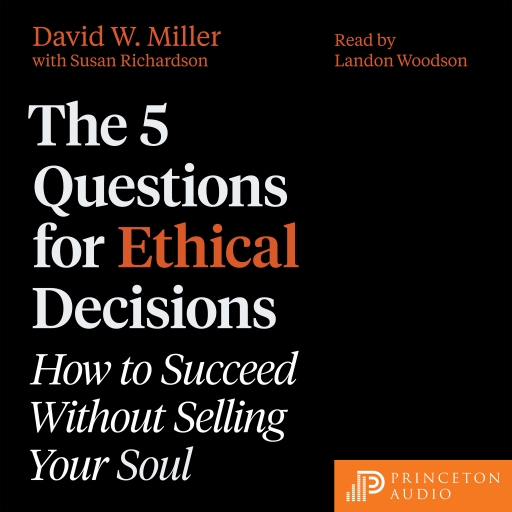
This audiobook narrated by Landon Woodson offers practical guide for professionals, corporate executives, entrepreneurs,