What Robert Macfarlane’s Rivers Know That We Have Forgotten
I remember standing at the edge of the Ebro once, watching it move through Zaragoza in the early morning, and thinking that the river looked more permanent than the city around it. The buildings would go, as buildings do. The river would simply continue.
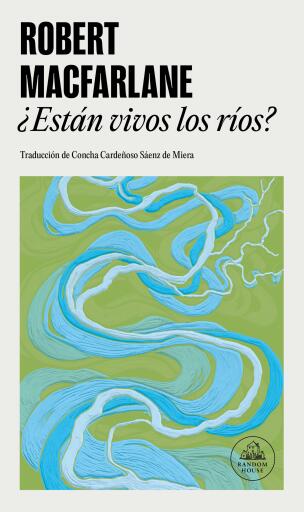
Robert Macfarlane’s Is a River Alive? — arriving in paperback this June as part of a season of literary releases that includes new works by André Aciman, Melissa Febos, and Catherine Lacey — begins from a related intuition: that rivers are not objects to be managed but subjects in some sense we have not yet learned to articulate. The book, which spent considerable time on the ‘Sunday Times’ bestseller list in hardcover, follows Macfarlane to rivers that have been granted legal personhood — in Ecuador, India, and elsewhere — asking what it means for a legal system to recognise a body of water as something capable of rights.
This is characteristic Macfarlane territory. The Old Ways, Underland, Landmarks — his body of work has always moved between the personal and the geological, between lyric prose and natural science, between what we see when we look at the land and what the land might see if it looked back. The question in this new book is older than philosophy: what is alive? But Macfarlane approaches it as neither a scientist nor a mystic. He approaches it as a writer who walks.
Tove Jansson, who spent decades on an island off the Finnish coast, wrote once about how the sea was always there before you and would be there after you, and how that made it both comforting and annihilating. Macfarlane’s rivers carry something of the same weight. They are older than human tenure. Their knowledge, if we grant them that word, is geological.
What strikes me about the paperback release of Is a River Alive? is how precisely it arrives at a moment when environmental law — rivers with standing, forests with rights — is moving from the margins into mainstream legal debate. The book is not an argument. It is a meditation. The distinction matters.
June’s paperback list offers much else worth attention — Aciman’s novellas in particular, and Febos on pleasure and solitude — but Macfarlane’s book seems the one most likely to outlast the season. Not because it offers answers. Because it holds the right question very carefully, and refuses to let go.
If rivers can be alive, can a book be? The question sounds frivolous. It might not be.