Roberto Saviano Wins Defamation Acquittal: Courts Recognise His Right to Write
There is something strange about the legal proceeding that acquits a man for things he wrote in a book. The writing was always there; the question was merely whether the state would stand behind it. This week, in Italy, it did — an Italian court acquitted Roberto Saviano of defamation charges, ruling that his criticism constituted a "legitimate right to criticism" protected under the law.
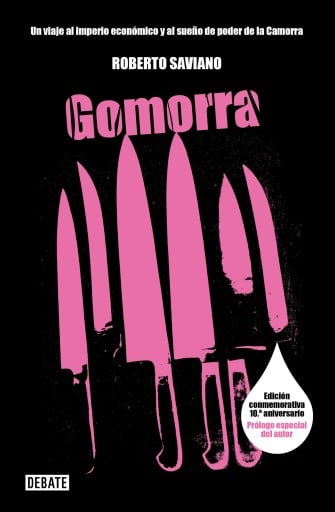
Saviano has been under police protection since 2006, when Gomorra was published — a meticulous, fearless account of the Camorra's operations in and around Naples that reads less like investigative journalism than like a novel, and functions as both. The Camorra placed a price on his head. Saviano was twenty-six when the book came out. He has not lived freely since.
The years between then and now have included other books, other trials, other death threats, and a memoir — Todavía estoy vivo (I'm Still Alive) — whose title says everything that needs to be said about the cost of his choices. There is a tradition, in Italian letters, of writers who wrote in defiance of power: Pasolini, Sciascia, Calvino in his later, more coded work. Saviano belongs to that tradition, with the difference that the power he defied had less patience with irony.
The acquittal addresses a specific legal question about specific words in a specific text. It does not address the broader and more uncomfortable question: what does a society owe to a writer who destroyed his own freedom to document something the rest of us preferred not to see? The Camorra still exists. Naples still has its zones of shadow. What Saviano wrote in 2006 has not been rendered obsolete by the passage of time or the ruling of a court.
Perhaps the more honest response to this week's news is not celebration but a quieter kind of acknowledgment — that the courts have caught up with what readers understood twenty years ago, and that the space between those two moments is filled with the particular texture of a life not entirely lived.