The Books That Endure: Why Alex Haley's 'Roots' Is Still Dangerous Fifty Years On
I remember the moment I understood what a book could do to you. Nobody had warned me the one I was reading was dangerous. It was long and dense, the kind that stays with you for weeks. By the time I finished, I felt I had understood something about time, about the blood that runs between generations. That is the thing about books they choose to ban: they ban them because they work.
This week, Knox County Schools in Tennessee added Alex Haley's Roots to its banned books list. The decision was taken under the state's Age-Appropriate Materials Act, which since 2024 requires review committees to evaluate only the specific flagged passage — without weighing the historical, cultural or literary significance of the work as a whole. A passage in chapter 84 was deemed to meet the legal threshold for "sadomasochistic abuse." The rest — twelve years of research, interviews with Gambian griots, six generations of Kunta Kinte's family traced through slavery — does not factor in. The law says so. Knox County's banned list now stands at 124 titles, up from 113 last year.
The timing has a particular sting. Roots is approaching its fiftieth anniversary. Haley spent more than a decade tracing his family's lineage back to a village in West Africa, not as an academic exercise but as an act of restoration. The book was never meant to be comfortable. It was meant to be true, which is often the same thing as unsettling. There is a statue of Alex Haley in Knoxville — the same Knoxville whose school district has just decided his masterwork doesn't belong in its libraries.
What troubles me most is not the individual act of censorship — serious as that is — but the logic behind it. A law that demands you evaluate one paragraph in isolation, stripped of context, is a law designed to misread. It is like reading a single passage from a novel about war and concluding it glorifies violence. Great books exist whole or not at all.
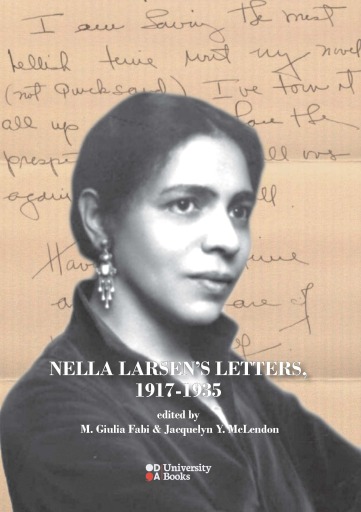
The texts that document horror must show the horror. The African American literary tradition — from Nella Larsen, the first Black woman to receive a Guggenheim Fellowship, who later vanished from literary history for decades, to Haley himself — has always known that memory requires sustained effort to preserve. Apparently, so does its erasure.
Roots will remain available in AP and Dual Enrollment classrooms, officials note. As if literature were an elective for the few. As if the right to know where you come from depended on which class you signed up for in tenth grade.
Read what they tell you not to.