On the Day Both Cervantes and Shakespeare Died, Barcelona Gives You a Rose and a Book
On April 23, 1616, Miguel de Cervantes died in Madrid. On the same date, William Shakespeare died in Stratford-upon-Avon. Whether this constitutes a genuine coincidence or merely the result of calendar reforms applied inconsistently across Europe is a question historians argue about with surprising passion. What is beyond dispute is that someone, at some point, decided these two deaths were symbolically sufficient to make April 23 World Book Day — and from that administrative decision, an industry of bookmarks and promotional offers was duly born.
Here in Spain, though, something rather more interesting happens. In Catalonia, April 23 is Sant Jordi's Day — Saint George's Day — and the tradition is older and stranger than any UNESCO mandate. Men give women roses. Women give men books. Or more precisely, anyone gives anyone else a rose or a book or both, the streets fill with stalls, and Barcelona in particular becomes a kind of living argument for the proposition that literature and romance are not, in fact, incompatible.
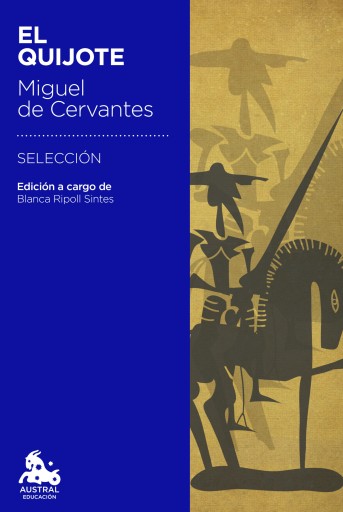
Don Quijote de la Mancha has been sold on Sant Jordi stalls for decades, alongside contemporary thrillers, translated literary fiction, and whatever novel has spent the longest on the bestseller lists. The democracy of it is part of the charm. Nobody worries too much about whether you're buying the right book. You're buying a book. That is enough.
European booksellers gathered in Verona last week to discuss declining readership, generative AI, and the shadow of authoritarianism over publishing in several countries. All real problems. And then there's Sant Jordi, which functions as an annual argument against the pessimism — one day in which books are genuinely, visibly, commercially wanted. Not as accessories to a lifestyle, not as content, but as objects you give to people you care about.
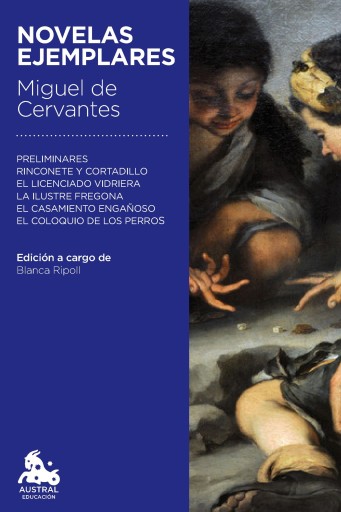
Cervantes's Novelas Ejemplares is a useful reminder that the man whose death we commemorate today didn't just write one long, difficult book. He wrote short ones too — morally ambiguous tales that travel well and fit in a jacket pocket. The kind of book you might actually give someone at a street stall, rather than leave on a shelf to admire from a respectful distance.
Four hundred and ten years after his death, Cervantes remains the writer most invoked on this day, which is either a tribute to his enduring relevance or a sign that we've run out of interesting things to say about him. Possibly both. Either way, Barcelona is full of roses and books today, the queues at the stalls are long, and nobody seems to mind. Some traditions survive because they deserve to.