The Empty Chair: Sergio Ramírez, Sole Candidate for Spain's Royal Language Academy
There is something strange about learning of Vargas Llosa's absence through an empty chair rather than an empty shelf. The 'L' seat at Spain's Royal Academy of Language — held for decades by one of the most influential and contentious voices in Hispanic letters — now seeks a successor. And the name that has emerged is the only one on the table: Sergio Ramírez, Nicaraguan novelist, 2017 Cervantes Prize laureate, in exile in Madrid since the Ortega regime condemned him in absentia in 2021.
I am not sure there is another living writer who carries the Spanish language with such dignity from outside his own country. Ramírez could not return to Nicaragua after the Cervantes Prize. His passport was cancelled. His nationality revoked. He was left, in his own words, without ground beneath his feet. And yet he kept writing: novels, articles, speeches. As if words were the only border no one can close.
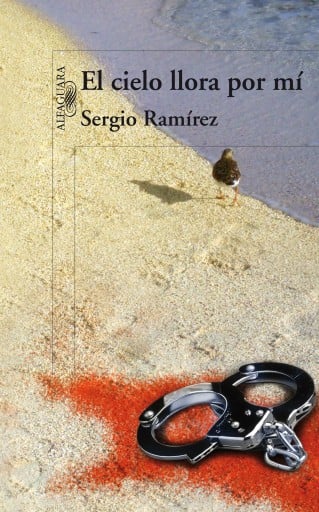
His fiction tells you everything. The Inspector Dolores Morales novels — The Sky Weeps for Me and its sequel No One Cries for Me Anymore — use noir conventions to narrate a corrupted, violent Nicaragua without losing tenderness or humor. His novel Sara, a love story traversing decades of Nicaraguan history, shows that he can carry the weight of collective memory without turning it into a burden.
That he enters as sole candidate has something both symbolic and melancholy about it. Symbolic: the institution governing the Spanish of four hundred million people recognizes a man whose own country stripped him of his identity documents. Melancholy: it should not be news that a writer of his stature fills that chair. It should be the most natural thing in the world.
But we live in times when the natural order of things must be earned. Ramírez has been earning it for years, in silence and in print. If the Academy votes wisely, they will have in their hall a voice that knows what it costs to steward a language when the country that speaks it has locked you out.
Take the news as an invitation. Open one of his books. There is no better way to welcome an academician than to read him before he arrives.