Sergio Ramírez Takes Vargas Llosa's Chair at the Royal Spanish Academy
There is news that arrives like a hand shaking you by the shoulder. The Royal Spanish Academy has just elected Sergio Ramírez to occupy the seat designated "L," the same one that fell empty after the death of Mario Vargas Llosa. This is not just an appointment. It is almost a declaration: the Spanish language belongs to all who inhabit it, even — and especially — those who were expelled from their homeland.
When I heard, I had to put my coffee down and sit very still for a moment. Ramírez has been writing from exile for years, from that place without fixed coordinates that García Márquez knew well, that Bolaño turned into office and homeland at once. Since 2021, after the Ortega government charged him with treason and threatened him with prison, Ramírez has lived outside Nicaragua with no possibility of return. And yet he writes. He keeps writing, as if distance were a lens that clarifies rather than distorts.
The RAE has 46 chairs, each bearing a letter. The "L" is his now. It sounds like a pun Ramírez himself might have written: the man who was silenced in his own country will take the floor in the most formal temple of the language that shaped him. What Nicaragua loses, Spanish gains. What tyrants want buried, literature resurrects in another form.
Ramírez is not just a name on an institutional chart. He is the author of Margarita, How Beautiful the Sea, Premio Alfaguara winner, a novel that weaves history and poetry together as naturally as the Caribbean blends rain and sun. He is the creator of Doña Sofía and Inspector Morales, characters who stayed with me for weeks as if they were neighbors I passed every day on the stairs.
The question that stays with me is this: what does it mean for the RAE — a historical institution, Castilian to its bones — to elect a Nicaraguan exile? I think it means something is shifting in how we understand who owns the language. Spanish does not belong to Madrid, or Castile, or the dictionary. Spanish belongs to whoever uses it to tell the world, to resist, to survive far from home.
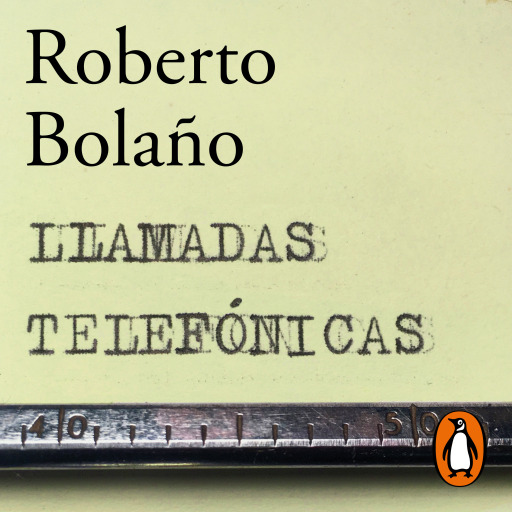
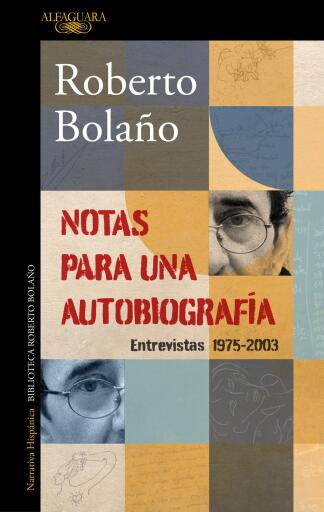
I think of Roberto Bolaño, who also wrote from outside, who found in borrowed words the material for his own stories — in his Llamadas telefónicas and in his reflections gathered in Notas para una autobiografía. Two Latin Americans who made the Spanish of here and there their only real homeland.
The "L" chair waits for Ramírez. May he occupy it with the same serene defiance with which he has always written. The language deserves as much.