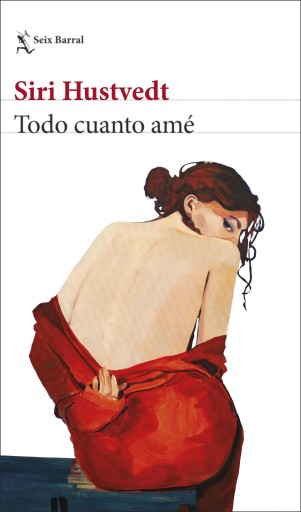
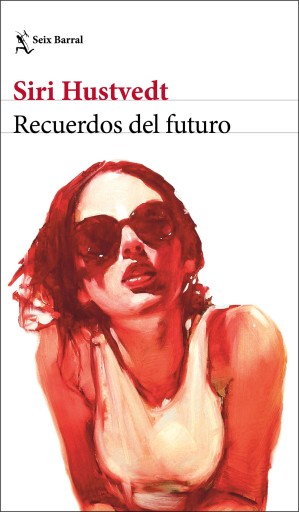
Siri Hustvedt and the Ghost of Paul Auster: Writing Grief as Presence
How do you write about someone who can no longer read what you write about them?
That question, which seems impossible to answer, is the one Siri Hustvedt has decided to face in her new book — described by El Cultural as «profound and moving» — in which she merges with the ghost of Paul Auster. Auster, the novelist of The New York Trilogy, died on April 30, 2024, from lung cancer. They had been together for over forty years. Two writers. One shared life.
Hustvedt has spent decades building her own body of work: novels like What I Loved, essays blending neuroscience and feminism, meditations on perception and madness that have more layers than the market usually credits her with. She was always, to some degree, in the shadow of her famous husband. That's unfair. But that's how certain narratives work. Now she writes from a strange place: love after death. Not elegy, not homage, but something rarer and harder — presence.
Grief literature has a long history of failures through excess of restraint or excess of sentimentality. Roland Barthes understood this with his Mourning Diary: grief cannot be narrated in order. Joan Didion also understood, in her way, with The Year of Magical Thinking. And Hustvedt? Early reviews suggest she has also found the form.
I imagine the process: returning to shared books, to margins full of the other's notes, to conversations about pages that no one can remember the same way anymore. The exact moment when a book stops being yours-and-theirs and becomes only yours. Borges was right when he said that a book is the encounter between the one who writes it and the one who reads it. What happens when the first reader can no longer read?
That's what Hustvedt is writing, I think. Not absence. The persistent presence of someone who is no longer there.
Isn't that, at bottom, what all of us do when we read someone who has died? Find the book. And if you haven't read either of them, start wherever you like — both will change you.