Romance and Reckoning: Taiwan Travelogue Wins the 2026 International Booker Prize
Some books reach you from far away — from an island, from a language you don't read — and find you all the same. Taiwan Travelogue, the novel by Yáng Shuāng-zǐ that has just won the 2026 International Booker Prize, came to my attention the way all the news that matters does: late, at exactly the right moment, when I can no longer ignore it.
The ceremony was held at the Tate Modern in London on May 19th. The chair of the judging panel, Natasha Brown, said the novel "pulls off an incredible double feat": it succeeds as both a romance and an incisive postcolonial novel. Not a love story with a political veneer, but both things at once, with equal urgency, without compromise.
I keep thinking about how often literature asks us to choose. In the Latin American tradition — in García Márquez, in Allende, in Lispector — love and history always coexist, breathing on the same page. Taiwan Travelogue seems to emerge from that same conviction: that intimacy is political when bodies have history. Taiwan carries memories of Japanese colonization and mainland Chinese presence, with the complexity of multiple identities coexisting in tension. This novel comes from that place. It isn't strange. It's the most natural logic in the world.
What also moves me about this prize is that it honors Lin King, the translator. Twenty-five thousand pounds for her; twenty-five thousand for Yáng Shuāng-zǐ. Because without Lin King, this book would not exist in English. Would not exist for most readers in the world. Translation is always a second act of creation, and it's about time prizes said so plainly.
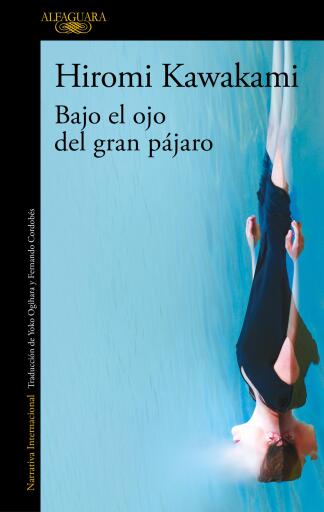
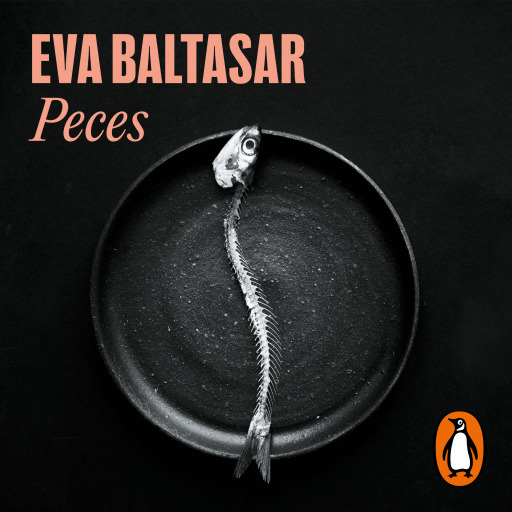
The International Booker has spent years pointing toward literatures that travel. Last year, Under the Eye of the Big Bird by Hiromi Kawakami reached the shortlist, a Japanese novel that also moves time and silence with a masterful hand. In 2023, Boulder by Eva Baltasar was part of that conversation with her sharp, beautiful prose. There is a thread running through all those books: the conviction that great literature exists in every language, and that crossing a language is not a loss but a gain.
I haven't read Taiwan Travelogue yet. But as I write this, I'm already looking for it. That is exactly what a good literary prize should do: turn news into the desire to read.