T.J. Stiles Wins the 2026 BIO Award: On the Long, Necessary Work of Biography
There is a moment in the study of biography — I have come to think of it as the moment of disproportion — when you realize that the life you are reconstructing was not lived at the pace at which you are writing it. A man like Jesse James moved through the American West at speed, under pressure, in conditions that left no time for reflection. T.J. Stiles spent years reconstructing him. This gap between lived time and written time is where all biographical art lives, and it is what the Biographers International Organization recognized this week when it awarded Stiles the 2026 BIO Award for lifetime achievement in the form.
Stiles has written three major biographies: Jesse James: Last Rebel of the Civil War (2002), The First Tycoon: The Epic Life of Cornelius Vanderbilt (Pulitzer Prize for biography), and Custer's Trials: A Life on the Frontier of a New America (Pulitzer Prize for history). Each takes a figure from the American nineteenth century — outlaw, capitalist, soldier — and places him inside the larger forces that shaped him without excusing the choices he made. This is a difficult balance. Biography fails when it collapses into hagiography or when it flattens a life into an argument. Stiles has avoided both.
The BIO Award has been given previously to Robert Caro, Ron Chernow, and Stacy Schiff, among others — a lineage of writers for whom biography is not journalism with footnotes but something closer to a sustained act of historical imagination. What they share is the willingness to spend years inside a single life. Caro spent decades on Lyndon Johnson. Chernow spent years on Alexander Hamilton. The world rewarded both with readers who returned, and with the persistent question of what comes next.
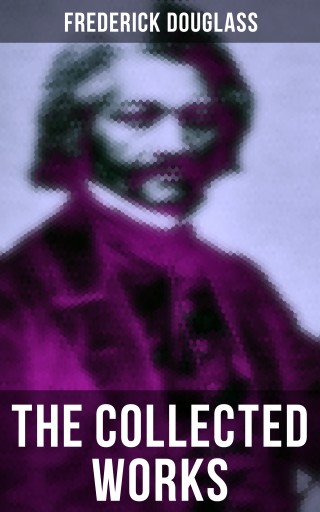
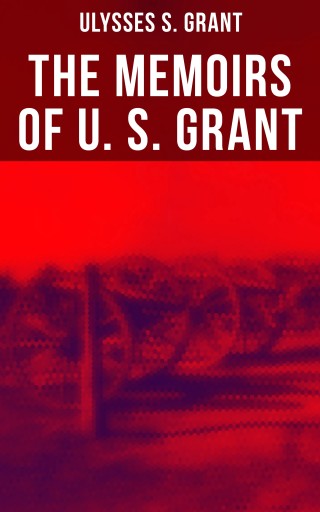
What I find most interesting in Stiles's body of work is his choice of subjects: men who were not, at first glance, sympathetic. James was a killer. Vanderbilt was ruthless. Custer was, by most readings, a catastrophe. And yet each of them illuminates something essential about the America that produced them. This is the task that the greatest American autobiographers also understood. Frederick Douglass reconstructed his own life with exactly this kind of clarity — showing not only what he was, but what the world was that made him. Ulysses S. Grant wrote his memoirs in the knowledge that he was dying, and produced, in that pressure, something unexpectedly lucid about war, failure, and the cost of victory.
Biography at its best is not the record of a life but the structure through which we understand how a life was possible. Stiles will deliver the keynote at BIO's annual conference in New York on May 29. It seems worth attending, or at least worth reading what he says afterward. The three books he has already written more than justify the attention.