Two Books, Two Prizes, One Certainty: The Women's Prize 2026 Goes to Virginia Evans and Lyse Doucet
There are prizes you wait for like a delayed bus — with the bored resignation of someone who knows it will arrive, sooner or later, and doesn't much care when. And then there are the ones that make you want to stand up and go straight to a bookshop. The Women's Prize 2026 is the second kind.
On June 11, the Women's Prize Trust announced winners in both its categories. Fiction went to Virginia Evans for The Correspondent — described by the jury as "an uplifting and moving novel that confronts the hubris of youth with the wisdom of older age." Thirty thousand pounds and a bronze statuette called "the Bessie." Nonfiction went to Lyse Doucet, the BBC's chief international correspondent, for The Finest Hotel in Kabul: a richly crafted recent history of modern Afghanistan, narrated with what the jury called artisanal richness — the kind you can only earn after years of going back, of listening when most of the world has already looked away. Another thirty thousand pounds and a limited-edition artwork.
Two books. Two completely different ways of seeing the world.
That tension between youthful arrogance and what comes after is the territory of the best fiction. I think of how Elena Ferrante places her women in front of their younger selves with no mercy and no nostalgia — just the precision of someone who has learned not to lie to herself. Evans seems to move in that same territory, though I haven't reached her pages yet. The jury's description is enough to know that it matters.
Doucet works from literary journalism. A hotel in Kabul isn't an innocent metaphor: it is the performance of normalcy maintained by force while the world falls apart outside. I've read enough war reportage — from Svetlana Alexievich to Ryszard Kapuściński — to know when a book like this is honest and when it only pretends to be. Given Doucet's profile, the years she has spent entering and leaving that country, I suspect hers is one of the honest ones.
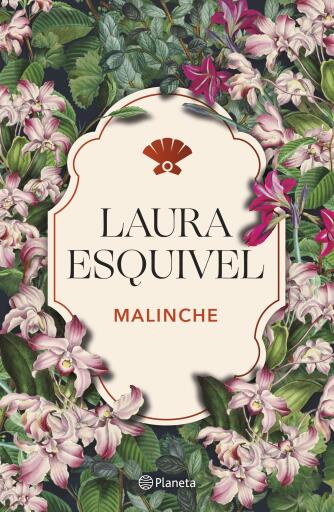
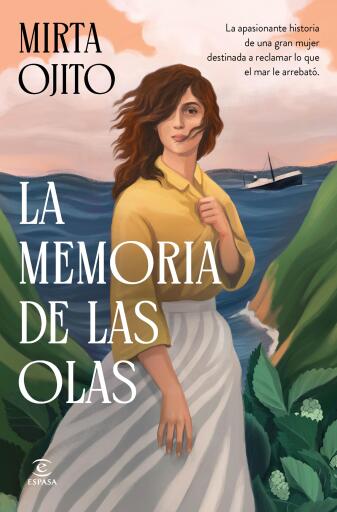
That both these forms of women's writing are celebrated on the same day feels like a political gesture in itself. They are not opposing genres — they are two ways of watching the same world without looking away. Malinche, Laura Esquivel's novel, summons a woman's past and refuses to romanticize it. La memoria de las olas, by Mirta Ojito, speaks of what the sea — and history — takes from us. They are books that speak to each other without knowing it, like today's two winners.
Virginia Evans and Lyse Doucet. Write those names down. Then read them.