The Shelf That's Always a Little Too High: Women's Prize for Non-Fiction 2026 Shortlist

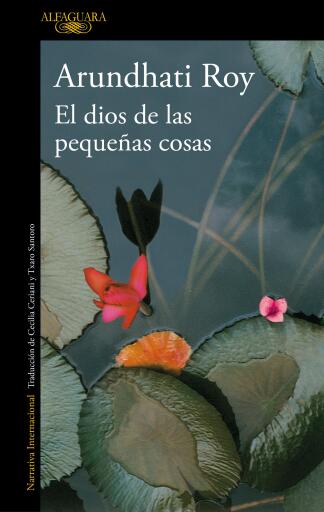
The first time I read The God of Small Things, I was seventeen and in Bogota, and Arundhati Roy's prose hit me the way a tropical downpour does: sudden, total, impossible to ignore. So when her name appeared on the 2026 Women's Prize for Non-Fiction shortlist, for her new book Mother Mary Comes to Me, I felt what I feel when I find a forgotten book tucked into an old bag: that small electric charge of unexpected joy.
The prize announced its six-book shortlist on March 25th. The names travel across geographies, wars, and bodies: journalist Lyse Doucet with a people's history of Afghanistan (The Finest Hotel in Kabul); Turkish-Croatian writer Ece Temelkuran on what it means to rebuild home in the 21st century (Nation of Strangers); Jane Rogoyska on Paris in shadow and exile (Hotel Exile); Judith Mackrell on siblings Gwen and Augustus John and their intertwined artistic lives; and Daisy Fancourt on art as medicine (Art Cure). Six voices. Six ways of saying: this matters, even if no one says it loudly enough.
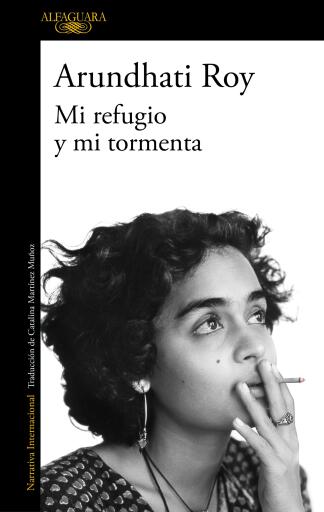
But it's Roy's presence that makes me stop. Mother Mary Comes to Me has been circulating among readers who know her political essays, and who found in Mi refugio y mi tormenta the same intensity they once felt meeting her debut. Roy doesn't write non-fiction the way the market expects: tidy, efficient, neatly argued. Roy writes with her entire body. Every paragraph of hers has temperature.
And this matters because the judges said it plainly: women's non-fiction remains systematically overlooked in reviews, prizes, and publishing advances. Executive Director Claire Shanahan was direct: male writers continue to dominate in most non-fiction genres. A statistic we already know. Which still stings.
There's something in this shortlist that takes me back to childhood, browsing the books on my mother's shelves: that feeling that books by women were always on a lower shelf, always a little harder to reach. Not because they didn't exist. But because someone had decided, without saying so, that it was easier not to look.
The winner will be announced on June 11th in London. I already know who I'm rooting for. But more than the result, I want this list to travel, to reach someone in Bogota, in Mexico City, in Barcelona, who picks up one of these six books and feels that small electric current. The one I felt at seventeen, with Arundhati Roy.