The Woolf We Never Knew: Stories That Were Waiting for Us
There are books you spend your whole life waiting for without knowing you were waiting at all. When I read last week that unpublished stories by Virginia Woolf had come to light—tales no one had seen, revealing what one critic called her "most loving and playful side"—I felt something close to what I feel when a friend returns a borrowed book with dog-ears I never folded. Like finding something I hadn't lost.
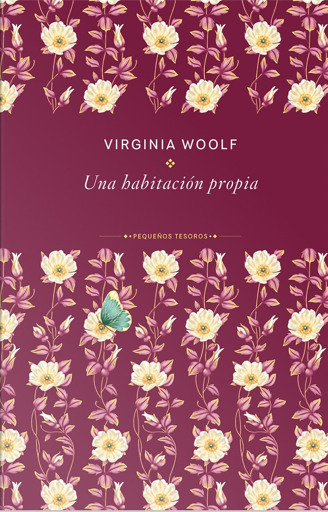
Woolf has spent decades under the weight of her own legend. The writer of the waves, of stream of consciousness, of modernism in its purest form. The one who declared that a woman needs money and a room of her own to write fiction. We always tend to see the same things: melancholy, formal experiment, biographical tragedy. But now come these new stories—new to us, at least—and they tell us there was another Woolf. Lighter, more in love with the world. Playful.
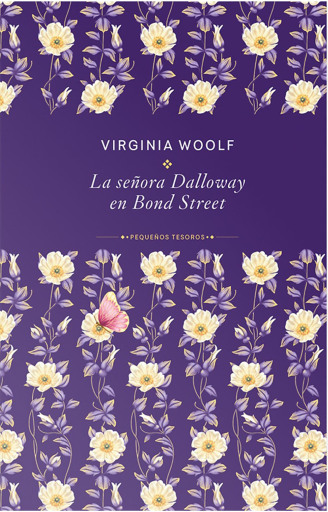
That quality was already there, for those who looked. In Mrs Dalloway in Bond Street—that collection many readers still haven't discovered—there was already an intimate Woolf. One who walks London's streets with all senses alive, who finds in each ordinary detail—a woman buying gloves, a passing tram—the raw material of what can be told. These unpublished stories confirm what her closest readers suspected: genius does not live only in the grand buildings.
I wonder what is in those pages. Whether there is a woman who desires without shame, who laughs properly, who writes the way you dance alone in your room. García Márquez once said his first drafts were always freer, more reckless, before craft came in and imposed order. Perhaps these Woolf stories have that same energy of first impulse. What you write when no one is watching.
And that is exactly what makes me want to read them. Not the name, not the academic weight, not the novelty of the discovery. But the possibility of being surprised by someone I thought I knew well. Of knowing that even after holding A Room of One's Own in my hands and underlining its paragraphs until the book nearly broke, there is still more Woolf to read. There always is.
That is what great writers do: they never end. And what great readers do is remain willing to be surprised. One more time.