
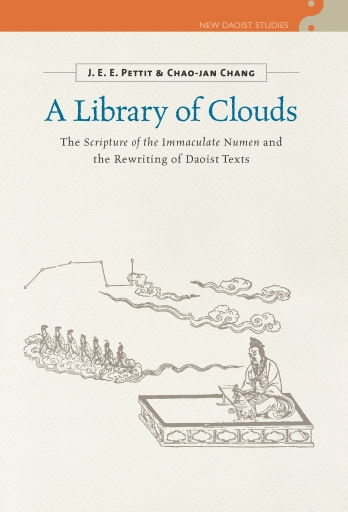
A Library of Clouds
By Pettit, J. E. E., Chang, Chao-jan
Published by University of Hawaii Press
Available at 13 bookshops
 Association of University Presses - Tienda FILUNI
🇺🇸
Visit store →
Association of University Presses - Tienda FILUNI
🇺🇸
Visit store →
 Bajalibros Argentina
🇦🇷
Visit store →
Bajalibros Argentina
🇦🇷
Visit store →
 Bajalibros Latam
🇺🇸
Visit store →
Bajalibros Latam
🇺🇸
Visit store →
 Bookshop Uruguay
🇺🇾
Visit store →
Bookshop Uruguay
🇺🇾
Visit store →
 Catademic
🇺🇸
Visit store →
Catademic
🇺🇸
Visit store →








About this book
Availability
A Library of Clouds is available as eBook at 13 online bookshops. Bookshops carrying it include Association of University Presses - Tienda FILUNI, Bajalibros Argentina, Bajalibros Latam.
- Language
- English
Frequently asked questions
- In what formats is A Library of Clouds available?
- A Library of Clouds is available as eBook at 13 online bookshops.
- Where can I buy A Library of Clouds?
- You can buy A Library of Clouds at Association of University Presses - Tienda FILUNI, Bajalibros Argentina, Bajalibros Latam. Compare every option in the list on this page.
Ratings & reviews
No ratings yet. Be the first to review this book.
Sign in to rate and review this book.
You might also like
Buddhism and Taoism Face to Face
Mollier, Christine
China
Tamura, Eileen H., Tamura, Eileen, Menton, Linda K., Lush, Noren W., Tsui, Francis K. S., Cohen, Warren, Tsui, Francis K. C.

Memories of Unbelonging
Setijadi, Charlotte
Chinese Buddhism
Yü, Chün-fang
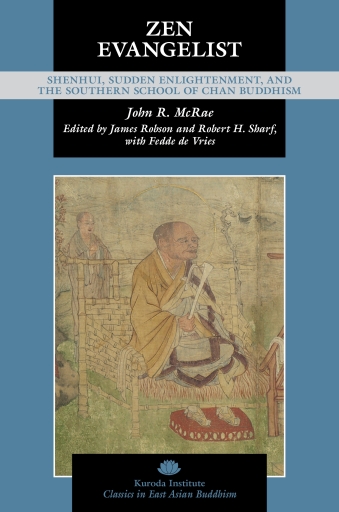
Zen Evangelist
McRae, John R.

Naranjas de la China
Arias, Julio