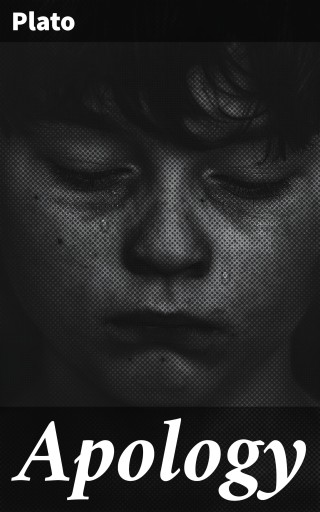
Apology
By Plato
Published by Good Press
English
2019
ISBN 4057664154989
eBook
Buy at ebooks Libreria del GAM
🇨🇱
 Alpha Books
🇨🇴
Visit store →
Alpha Books
🇨🇴
Visit store →
 Bajalibros Argentina
🇦🇷
Visit store →
Bajalibros Argentina
🇦🇷
Visit store →
 Bajalibros Latam
🇺🇸
Visit store →
Bajalibros Latam
🇺🇸
Visit store →
 Bookshop Uruguay
🇺🇾
Visit store →
Bookshop Uruguay
🇺🇾
Visit store →
 Crisol Ebooks
🇵🇪
Visit store →
Crisol Ebooks
🇵🇪
Visit store →
Available at 15 bookshops
Alpha Books
🇨🇴
Visit store →
Bajalibros Argentina
🇦🇷
Visit store →
Bajalibros Latam
🇺🇸
Visit store →
Bookshop Uruguay
🇺🇾
Visit store →
Crisol Ebooks
🇵🇪
Visit store →










About this book
In "Apology," Plato presents a profound exploration of Socratic philosophy through the trial of Socrates, who stands accused of corrupting the youth and impiety. Utilizing a dialogue format, the text captures the essence of Socratic questioning and the dialectical method, delving into themes such as virtue, justice, and the role of the philosopher in society. Plato's skillful narrative style combines rhetoric with reason, allowing readers to engage deeply with the philosophical arguments while reflecting on the moral complexities of Socrates' defense. The work is emblematic of the classical literature context, offering insights into the cultural and political milieu of ancient Athens, a society grappling with the intersection of democracy and dissent. Plato, the illustrious student of Socrates and an influential philosopher in his own right, wrote "Apology" as not only an homage to his mentor but also as a critical examination of the philosophical ideals that Socrates championed. Growing up in a turbulent Athens during the Peloponnesian War, Plato witnessed firsthand the capriciousness of popular opinion and the consequences of intellectual inquiry, shaping his desire to articulate a defense of wisdom and virtue against societal convention. "Apology" is an essential read for anyone seeking to grasp the foundations of Western philosophy. Plato's eloquent defense of critical thinking and moral integrity resonates throughout the ages, making it a timeless work that challenges readers to reflect on their values and the role of the thinker in society. Engaging with this text is not only an academic pursuit but also a personal journey towards understanding the philosophical underpinnings of justice.
In this enriched edition, we have carefully created added value for your reading experience:
- A succinct Introduction situates the work's timeless appeal and themes.
- The Synopsis outlines the central plot, highlighting key developments without spoiling critical twists.
- A detailed Historical Context immerses you in the era's events and influences that shaped the writing.
- An Author Biography reveals milestones in the author's life, illuminating the personal insights behind the text.
- A thorough Analysis dissects symbols, motifs, and character arcs to unearth underlying meanings.
- Reflection questions prompt you to engage personally with the work's messages, connecting them to modern life.
- Hand‐picked Memorable Quotes shine a spotlight on moments of literary brilliance.
- Interactive footnotes clarify unusual references, historical allusions, and archaic phrases for an effortless, more informed read.
Availability
Apology is available as eBook at 15 online bookshops. Bookshops carrying it include Alpha Books, Bajalibros Argentina, Bajalibros Latam.
- Language
- English
Share
Frequently asked questions
- In what formats is Apology available?
- Apology is available as eBook at 15 online bookshops.
- Where can I buy Apology?
- You can buy Apology at Alpha Books, Bajalibros Argentina, Bajalibros Latam. Compare every option in the list on this page.
Ratings & reviews
No ratings yet. Be the first to review this book.
Sign in to rate and review this book.