
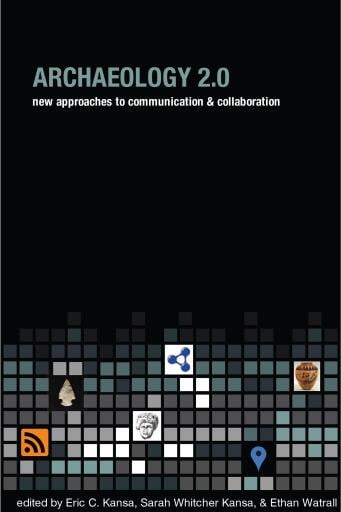
Archaeology 2.0
Published by Cotsen Institute of Archaeology Press
English
295 pages
2011
ISBN 9781938770654
PDF
Buy at LORANCHBOOKSTORE
🇺🇸
 Catademic
🇺🇸
Visit store →
Catademic
🇺🇸
Visit store →
 Bajalibros Latam
🇺🇸
Visit store →
Bajalibros Latam
🇺🇸
Visit store →
 LORANCHBOOKSTORE
🇺🇸
Visit store →
LORANCHBOOKSTORE
🇺🇸
Visit store →
 Ebooks Librería Carlos Fuentes
🇲🇽
Visit store →
Ebooks Librería Carlos Fuentes
🇲🇽
Visit store →
 ebooks libreria española
🇪🇨
Visit store →
ebooks libreria española
🇪🇨
Visit store →
 Bajalibros Argentina
🇦🇷
Visit store →
Bajalibros Argentina
🇦🇷
Visit store →
 Alpha Books
🇨🇴
Visit store →
Alpha Books
🇨🇴
Visit store →
 Sanborns Ebooks
🇲🇽
Visit store →
Sanborns Ebooks
🇲🇽
Visit store →
 ebooks Libreria del GAM
🇨🇱
Visit store →
ebooks Libreria del GAM
🇨🇱
Visit store →
 Bookshop Uruguay
🇺🇾
Visit store →
Bookshop Uruguay
🇺🇾
Visit store →
 Ebooks Yenny - El Ateneo
🇦🇷
Visit store →
Ebooks Yenny - El Ateneo
🇦🇷
Visit store →
 Crisol Ebooks
🇵🇪
Visit store →
Crisol Ebooks
🇵🇪
Visit store →
Available at 12 bookshops
Catademic
🇺🇸
Visit store →
Bajalibros Latam
🇺🇸
Visit store →
LORANCHBOOKSTORE
🇺🇸
Visit store →
Ebooks Librería Carlos Fuentes
🇲🇽
Visit store →
ebooks libreria española
🇪🇨
Visit store →
Bajalibros Argentina
🇦🇷
Visit store →
Alpha Books
🇨🇴
Visit store →
Sanborns Ebooks
🇲🇽
Visit store →
ebooks Libreria del GAM
🇨🇱
Visit store →
Bookshop Uruguay
🇺🇾
Visit store →
Ebooks Yenny - El Ateneo
🇦🇷
Visit store →
Crisol Ebooks
🇵🇪
Visit store →
About this book
How is the Web transforming the professional practice of archaeology? And as archaeologists accustomed to dealing with "deep time," how can we best understand the possibilities and limitations of the Web in meeting the specialized needs of professionals in this field? These are among the many questions posed and addressed in Archaeology 2.0: New Approaches to Communication and Collaboration, edited by Eric Kansa, Sarah Whitcher Kansa, and Ethan Watrall. With contributions from a range of experts in archaeology and technology, this volume is organized around four key topics that illuminate how the revolution in communications technology reverberates across the discipline: approaches to information retrieval and information access; practical and theoretical concerns inherent in design choices for archaeology's computing infrastructure; collaboration through the development of new technologies that connect field-based researchers and specialists within an international archaeological community and scholarly communications issues, with an emphasis on concerns over sustainability and preservation imperatives. This book not only describes practices that attempt to mitigate some of the problems associated with the Web, such as information overload and disinformation, it also presents compelling case studies of actual digital projects--many of which are rich in structured data and multimedia content or focused on generating content from the field "in real time," and all of which demonstrate how the Web can and is being used to transform archaeological communications into forms that are more open, inclusive, and participatory. Above all, this volume aims to share these experiences to provide useful guidance for other researchers interested in applying technology to archaeology.
Genres
- Language
- English
Share
You might also like

21 Lições: O que eu aprendi caindo na toca de coelho do Bitcoin
Gigi
Internet Kill Switch
Dumont, Catherine

Internet Kill Switch
Dumont, Catherine
Angriff der Algorithmen
Frankfurter Allgemeine Archiv + Rights Management

Curso de marketing hotelero
Espinosa Sorensen, Oliver
Introducción a Microsoft Fabric
Aguilera Reyna, Diana, López Centeno, Nelson