
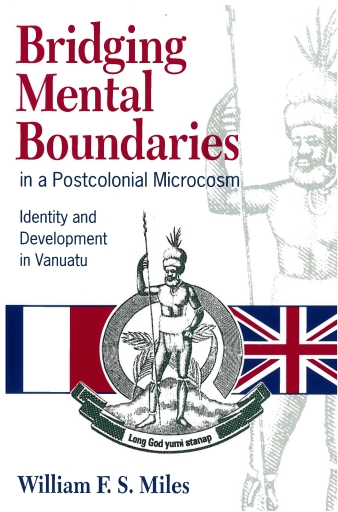
Bridging Mental Boundaries in a Postcolonial Microcosm
Published by University of Hawaii Press
Available at 13 bookshops
 Association of University Presses - Tienda FILUNI
🇺🇸
Visit store →
Association of University Presses - Tienda FILUNI
🇺🇸
Visit store →
 Bajalibros Argentina
🇦🇷
Visit store →
Bajalibros Argentina
🇦🇷
Visit store →
 Bajalibros Latam
🇺🇸
Visit store →
Bajalibros Latam
🇺🇸
Visit store →
 Bookshop Uruguay
🇺🇾
Visit store →
Bookshop Uruguay
🇺🇾
Visit store →
 Catademic
🇺🇸
Visit store →
Catademic
🇺🇸
Visit store →








About this book
Availability
Bridging Mental Boundaries in a Postcolonial Microcosm is available as PDF at 13 online bookshops. Bookshops carrying it include Association of University Presses - Tienda FILUNI, Bajalibros Argentina, Bajalibros Latam.
Genres
- Language
- English
Frequently asked questions
- In what formats is Bridging Mental Boundaries in a Postcolonial Microcosm available?
- Bridging Mental Boundaries in a Postcolonial Microcosm is available as PDF at 13 online bookshops.
- Where can I buy Bridging Mental Boundaries in a Postcolonial Microcosm?
- You can buy Bridging Mental Boundaries in a Postcolonial Microcosm at Association of University Presses - Tienda FILUNI, Bajalibros Argentina, Bajalibros Latam. Compare every option in the list on this page.
- How long does it take to read Bridging Mental Boundaries in a Postcolonial Microcosm?
- At an average reading pace, Bridging Mental Boundaries in a Postcolonial Microcosm takes about 5 h 27 min to read (297 pages).
Ratings & reviews
No ratings yet. Be the first to review this book.
Sign in to rate and review this book.
You might also like

Explorations in Australia
Stuart, John McDouall
The Passing of the Aborigines
Bates, Daisy

Michael Howe - The Last and Worst of the Bush-Rangers of Van Dieman's Land
Wells, Thomas E.

Station Amusements in New Zealand
Barker, Lady

History of the Colony of Queensland
Coote., William

Spinifex and Sand
Carnegie, David Wynford