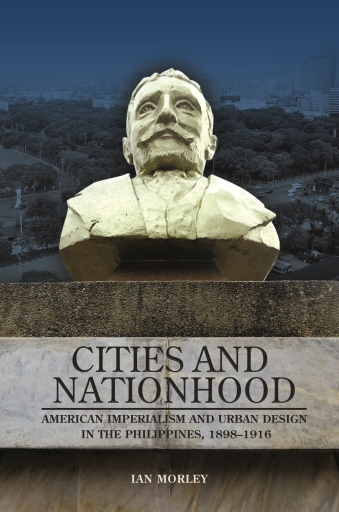
Cities and Nationhood
By Morley, Ian
Published by University of Hawaii Press
English
2018
ISBN 9780824875527
eBook
Buy at University of Hawaiʻi Press
🇺🇸
Catademic
🇺🇸
Visit store →
UN
University of Hawaiʻi Press
🇺🇸
Visit store →
ebookstaolistic
🇺🇸
Visit store →
Bajalibros Latam
🇺🇸
Visit store →
Association of University Presses - Tienda FILUNI
🇺🇸
Visit store →

Ebooks Librería Antártica
🇨🇱
Visit store →
Ebooks Agustin
🇪🇸
Visit store →
Bajalibros Argentina
🇦🇷
Visit store →

Sanborns Ebooks
🇲🇽
Visit store →
ebooks Libreria del GAM
🇺🇾
Visit store →
Bookshop Uruguay
🇺🇾
Visit store →

ebookskitapenas
🇬🇹
Visit store →
Ebooks Yenny - El Ateneo
🇦🇷
Visit store →
Crisol Ebooks
🇨🇴
Visit store →
Available at 14 bookshops
Catademic
🇺🇸
Visit store →
UN
University of Hawaiʻi Press
🇺🇸
Visit store →
ebookstaolistic
🇺🇸
Visit store →
Association of University Presses - Tienda FILUNI
🇺🇸
Visit store →
Ebooks Librería Antártica
🇨🇱
Visit store →
Ebooks Agustin
🇪🇸
Visit store →
Sanborns Ebooks
🇲🇽
Visit store →
ebooks Libreria del GAM
🇺🇾
Visit store →
ebookskitapenas
🇬🇹
Visit store →
Ebooks Yenny - El Ateneo
🇦🇷
Visit store →
Crisol Ebooks
🇨🇴
Visit store →
About this book
<p>The Treaty of Paris in 1898 initiated America’s administration of the Philippines. By 1905, Manila had been replanned and the city of Baguio built as expressions of colonial sovereignty and as symbols of a society disassociating itself from its hitherto “uncivilized” existence. Against this historical backdrop, Ian Morley undertook a thorough investigation to elucidate the meaning of modern American city planning in the Philippines and examine its dissemination throughout the archipelago with respect to colonial governmental ideals, social advancement, and the shaping of national identity. By focusing on the forces of the early years of American colonial rule, <i>Cities and Nationhood </i>offers a historical paradigm that not only re-grounds our grasp of Philippine cities, but also illuminates complex national identity movements and city design practices that were evident elsewhere during the early 1900s.<br><br><i>Cities and Nationhood </i>places the design of Philippine cities within a framework of America’s distinct religious and racial identity, colonial politics, and local cultural expansion. In doing so, it expands knowledge about city planning—its influence and role—within national development by providing valuable insights into the nature of Philippine society during an era when America felt morally compelled to enact progressive civilization by instruction and example. Producing a new understanding of the role of America’s colonial mission, the City Beautiful modern of urban design and Philippine cities, and the inclusions and exclusions designed into their built forms, the author addresses two fundamental intellectual matters. First, the work recontextualizes the planning history of Philippine cities. Analysis of the ideals of nationalism and civility at a key period in Philippine history shifts scholarship on the plans of Philippine cities. Second, the book offers an example of how studies of city design can profitably embrace additional geographical, cultural, and chronological territories in order to rethink the abstract and tangible meaning of arranging urban places after major governmental changes and identity transitions have occurred.</p>
- Language
- English
Share