
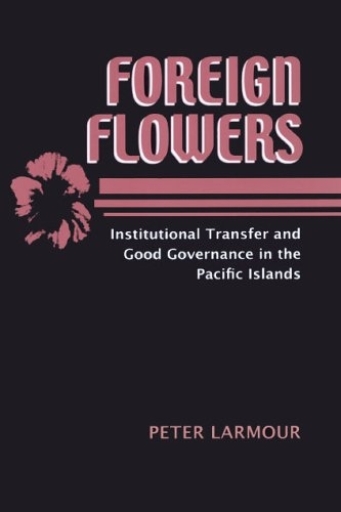
Foreign Flowers
Published by University of Hawaii Press
English
232 pages
2005
ISBN 9780824874568
PDF
Buy at Bajalibros Latam
🇺🇸
 Catademic
🇺🇸
Visit store →
Catademic
🇺🇸
Visit store →
 Bajalibros Latam
🇺🇸
Visit store →
Bajalibros Latam
🇺🇸
Visit store →
 Association of University Presses - Tienda FILUNI
🇺🇸
Visit store →
Association of University Presses - Tienda FILUNI
🇺🇸
Visit store →
 Ebooks Librería Antártica
🇨🇱
Visit store →
Ebooks Librería Antártica
🇨🇱
Visit store →
 Ebooks Agustin
🇪🇸
Visit store →
Ebooks Agustin
🇪🇸
Visit store →
 Bajalibros Argentina
🇦🇷
Visit store →
Bajalibros Argentina
🇦🇷
Visit store →
 Sanborns Ebooks
🇲🇽
Visit store →
Sanborns Ebooks
🇲🇽
Visit store →
 ebooks Libreria del GAM
🇨🇱
Visit store →
ebooks Libreria del GAM
🇨🇱
Visit store →
 Bookshop Uruguay
🇺🇾
Visit store →
Bookshop Uruguay
🇺🇾
Visit store →
 ebookskitapenas
🇬🇹
Visit store →
ebookskitapenas
🇬🇹
Visit store →
 Ebooks Yenny - El Ateneo
🇦🇷
Visit store →
Ebooks Yenny - El Ateneo
🇦🇷
Visit store →
 Crisol Ebooks
🇵🇪
Visit store →
Crisol Ebooks
🇵🇪
Visit store →
Available at 12 bookshops
Catademic
🇺🇸
Visit store →
Bajalibros Latam
🇺🇸
Visit store →
Association of University Presses - Tienda FILUNI
🇺🇸
Visit store →
Ebooks Librería Antártica
🇨🇱
Visit store →
Ebooks Agustin
🇪🇸
Visit store →
Bajalibros Argentina
🇦🇷
Visit store →
Sanborns Ebooks
🇲🇽
Visit store →
ebooks Libreria del GAM
🇨🇱
Visit store →
Bookshop Uruguay
🇺🇾
Visit store →
ebookskitapenas
🇬🇹
Visit store →
Ebooks Yenny - El Ateneo
🇦🇷
Visit store →
Crisol Ebooks
🇵🇪
Visit store →
About this book
<p>Wide ranging and cross-disciplinary in its approach, <i>Foreign Flowers</i> focuses on the process of policy transfer in the Pacific and the use of power to achieve it. Many governing institutions in the region have been borrowed, transplanted, or imposed by colonial rule or military intervention from outside. The book attempts to answer several key questions: Where do the governing institutions originate and why are so many of them based on Western models? Why have some transfers succeeded while others have not? What are the effects of transfers? What has been the fate of a particular institution, "the state?" How does "culture" affect the transfer of (and resistance to) institutions? <br><br>Early chapters identify institutional transfer as a persistent theme in the study of the Pacific, reflected in ideas like cargo cults, homegrown constitutions, invented traditions, and weak states. The author analyzes about forty cases of institutional transfer, beginning with Tonga's borrowing of foreign institutions in the nineteenth century and ending with current attempts to induce island states to regulate their offshore financial centers. He goes on to distinguish factors that determine whether transfer took place, including timing, social conditions, and sympathy with local values. He looks at the kinds of power and coercion being deployed in transfer and at how transfers have been evaluated by their sponsors: domestic reformers, aid donors, international financial institutions, and their consultants and academic advisers.</p>
Genres
- Language
- English
Share
You might also like

Mérito y meritocracia: Paradojas y promesas incumplidas
Varios autores, Renato Moretti (editor), Johana Contreras (editor)
Trabajo infantil. Factores de riesgo y protección
Palacio Sañudo, Jorge, Mandariaga Orozco, Camilo, Sierra, Eloísa, Pezzano, Gina, Amar Amar, José

Conflicto y armonías de las razas en América Latina
Sarmiento, Domingo Faustino

Lecciones de parte especial
Alliaud, Alejandra, Hendler, Edmundo
Pack Auge y caída del Tercer Reich
Shirer, William L.

Licencia para matar
Escolà, Carlos