
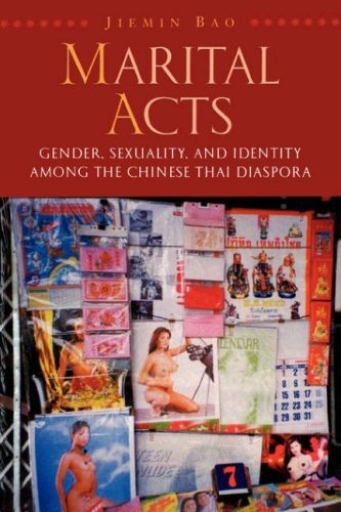
Marital Acts
By Bao, Jiemin
Published by University of Hawaii Press
English
248 pages
2004
ISBN 9780824841317
PDF
Buy at Bajalibros Latam
🇺🇸
 Catademic
🇺🇸
Visit store →
Catademic
🇺🇸
Visit store →
 Bajalibros Latam
🇺🇸
Visit store →
Bajalibros Latam
🇺🇸
Visit store →
 Association of University Presses - Tienda FILUNI
🇺🇸
Visit store →
Association of University Presses - Tienda FILUNI
🇺🇸
Visit store →
 Ebooks Librería Antártica
🇨🇱
Visit store →
Ebooks Librería Antártica
🇨🇱
Visit store →
 Ebooks Agustin
🇪🇸
Visit store →
Ebooks Agustin
🇪🇸
Visit store →
 Bajalibros Argentina
🇦🇷
Visit store →
Bajalibros Argentina
🇦🇷
Visit store →
 Sanborns Ebooks
🇲🇽
Visit store →
Sanborns Ebooks
🇲🇽
Visit store →
 ebooks Libreria del GAM
🇨🇱
Visit store →
ebooks Libreria del GAM
🇨🇱
Visit store →
 Bookshop Uruguay
🇺🇾
Visit store →
Bookshop Uruguay
🇺🇾
Visit store →
 ebookskitapenas
🇬🇹
Visit store →
ebookskitapenas
🇬🇹
Visit store →
 Ebooks Yenny - El Ateneo
🇦🇷
Visit store →
Ebooks Yenny - El Ateneo
🇦🇷
Visit store →
 Crisol Ebooks
🇵🇪
Visit store →
Crisol Ebooks
🇵🇪
Visit store →
Available at 12 bookshops
Catademic
🇺🇸
Visit store →
Bajalibros Latam
🇺🇸
Visit store →
Association of University Presses - Tienda FILUNI
🇺🇸
Visit store →
Ebooks Librería Antártica
🇨🇱
Visit store →
Ebooks Agustin
🇪🇸
Visit store →
Bajalibros Argentina
🇦🇷
Visit store →
Sanborns Ebooks
🇲🇽
Visit store →
ebooks Libreria del GAM
🇨🇱
Visit store →
Bookshop Uruguay
🇺🇾
Visit store →
ebookskitapenas
🇬🇹
Visit store →
Ebooks Yenny - El Ateneo
🇦🇷
Visit store →
Crisol Ebooks
🇵🇪
Visit store →
About this book
<p>Succeeding waves of migration, from China to Thailand and from Thailand to the United States, have helped shape the identities of three generations of diasporic Chinese Thai. In this exciting new study, Jiemin Bao focuses on how cultural identities--as seen through the lens of marriage--play a central role in the formation of cultural citizenship. By challenging models of cultural identity that separate gender, sexuality, and class into discrete domains of analysis, Bao examines the competing roles of sex/gender, class, and race/ethnicity in shaping the ongoing construction of Chinese Thai identities in contemporary Bangkok and the San Francisco Bay area. <br><br>Marriage has long been treated as a mechanism of assimilation in the anthropological literature on diasporic Chinese: the Chinese "minority" is absorbed into the dominant "majority" through intermarriage. Bao approaches marriage differently, viewing it not only as an institution that fosters and reproduces fundamental ideas of masculinity and femininity, but also as a site where the various categories of ethnicity, class, gender, and sexuality--the stuff of identity--intersect. Through a fine-grained analysis of the lives of men and women and the language that three generations use to talk about their experiences in different locales, Bao powerfully demonstrates how masculine and feminine identities are both classed and ethnicized in Thailand and the United States. Nuanced and provocative, <i>Marital Acts</i> shows how diasporic Chinese are both self making and being made, not once, but twice--first in the society in which they are born and second in the society to which they migrate.</p>
Genres
- Language
- English
Share
You might also like

Enigma Do Discípulo Que Jesus Amava
Machado, Francisco Alves
Gender and Nation in Meiji Japan
Karlin, Jason G.
Los hombres son de Marte, las mujeres son de Venus
Gray, John
Mujeres, votos y asistencia social en el México priista y la Argentina peronista
Zaremberg, Gisela
Reflexões E Narrativas Sobre Os Direitos Humanos Em Sala De Aula
(organizadora), Carolina Toneloto

História, Sexualidade E Mulheres
Mendes, Laís