Moʻolelo
Published by University of Hawaii Press
English
263 pages
2023
ISBN 9780824895297
Estimated reading time: 4 h 49 min
PDF
Buy at Association of University Presses - Tienda FILUNI
🇺🇸
 Bajalibros Argentina
🇦🇷
Visit store →
Bajalibros Argentina
🇦🇷
Visit store →
 Bajalibros Latam
🇺🇸
Visit store →
Bajalibros Latam
🇺🇸
Visit store →
 Bookshop Uruguay
🇺🇾
Visit store →
Bookshop Uruguay
🇺🇾
Visit store →
 Catademic
🇺🇸
Visit store →
Catademic
🇺🇸
Visit store →
Available at 13 bookshops
 Bajalibros Argentina
🇦🇷
Visit store →
Bajalibros Latam
🇺🇸
Visit store →
Bookshop Uruguay
🇺🇾
Visit store →
Catademic
🇺🇸
Visit store →
Bajalibros Argentina
🇦🇷
Visit store →
Bajalibros Latam
🇺🇸
Visit store →
Bookshop Uruguay
🇺🇾
Visit store →
Catademic
🇺🇸
Visit store →








About this book
An essential contribution to contemporary Kanaka Maoli (Native Hawaiian) scholarship, Moʻolelo: The Foundation of Hawaiian Knowledge elevates our understanding of the importance of language and narrative to cultural revitalization. Moʻolelo preserve the words, phrases, sentences, idioms, proverbs, and poetry that define Kānaka Maoli. Encompassing narratives, literature, histories, and traditions, moʻolelo are intimately entwined with cultural identity, reciprocal relationships, and the valuing of place; collectively informing and enriching all Hawaiian life. The contributors—Kanaka Maoli scholars, artists, and advocates fluent in ʻŌlelo Hawaiʻi (Hawaiian language) from across the Pae ʻĀina o Hawaiʻi (Hawaiian archipelago)—describe how moʻolelo constantly inform their linguistic, literary, translation, rhetorical, and performance practices, as well as their political and cultural work. Chapters in ‘Ōlelo Hawaiʻi alternate with chapters in English, with translanguaging appearing when needed.
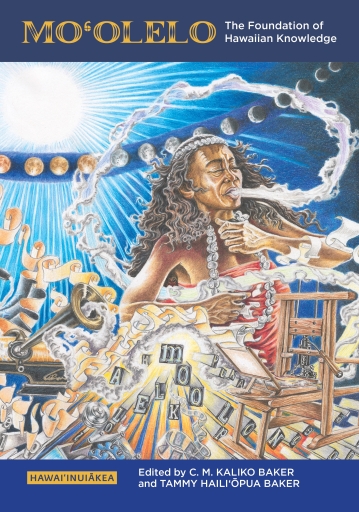
Kamalani Johnson honors Larry Kauanoe Kimura’s commitment to the revitalization of ʻŌlelo Hawaiʻi. Cover artist ʻAhukini Kupihea tells the story of his own creative process and uncovers the layers of meaning behind his artwork. Through careful analysis of nineteenth-century texts, R. Keawe Lopes Jr. demonstrates the importance of moʻolelo and mele (song/poetic expression) preservation. Hiapo Perreira explores the profound relationship between moʻolelo and the resurgence of kākāʻōlelo (oratory). Kekuhi KealiʻikanakaʻoleoHaililani shares a methodology and praxis for engaging with moʻolelo. Highlighting the ideology of aloha ʻāina embedded in mele, Kahikina de Silva reveals themes of political resistance found in mele about food. Kaipulaumakaniolono Baker examines mele that archive key movements in Hawaiʻi’s history and employs contemporary practices to document current events. Tammy Hailiʻōpua Baker delineates the political implications of drawing on moʻolelo heritage in Kanaka Maoli theatre. kuʻualoha hoʻomanawanui focuses upon moʻolelo found in the politically conscious artwork of Kanaka Maoli wāhine (women) visual artists. Kamaoli Kuwada evaluates the difficulties and benefits of translation and stresses the importance of fluency. C. M. Kaliko Baker further demonstrates how fluency and comprehension of moʻolelo make it possible to retrieve essential empirical data on Hawaiian linguistic practice. Kalehua Krug takes us on his journey of learning to become a kākau mōlī (traditional tattoo artist). The essays together provide rich perspectives for Kānaka Maoli seeking to understand their pasts, to define who they are today, and to set their courses for desired and necessary futures.
Availability
Moʻolelo is available as PDF at 13 online bookshops. Bookshops carrying it include Association of University Presses - Tienda FILUNI, Bajalibros Argentina, Bajalibros Latam.
- Language
- English
Share
Frequently asked questions
- In what formats is Moʻolelo available?
- Moʻolelo is available as PDF at 13 online bookshops.
- Where can I buy Moʻolelo?
- You can buy Moʻolelo at Association of University Presses - Tienda FILUNI, Bajalibros Argentina, Bajalibros Latam. Compare every option in the list on this page.
- How long does it take to read Moʻolelo?
- At an average reading pace, Moʻolelo takes about 4 h 49 min to read (263 pages).
Ratings & reviews
No ratings yet. Be the first to review this book.
Sign in to rate and review this book.