Obesity & Nutrition
Published by Max Editorial
English
2023
ISBN 9781991094926
eBook
Buy at Bajalibros Latam
🇺🇸
Bajalibros Latam
🇺🇸
Visit store →
Martins Fontes Paulista
🇧🇷
Visit store →
Disal - Distribuidora de Conhecimento
🇧🇷
Visit store →

Viubux
🇲🇽
Visit store →
Ebooks Librería Antártica
🇨🇱
Visit store →
Bajalibros Argentina
🇦🇷
Visit store →
Sanborns Ebooks
🇲🇽
Visit store →
ebooks Libreria del GAM
🇺🇾
Visit store →
Bookshop Uruguay
🇺🇾
Visit store →
Ebooks Yenny - El Ateneo
🇦🇷
Visit store →
Crisol Ebooks
🇨🇴
Visit store →
Available at 11 bookshops
Martins Fontes Paulista
🇧🇷
Visit store →
Disal - Distribuidora de Conhecimento
🇧🇷
Visit store →

Viubux
🇲🇽
Visit store →
Ebooks Librería Antártica
🇨🇱
Visit store →
Sanborns Ebooks
🇲🇽
Visit store →
ebooks Libreria del GAM
🇺🇾
Visit store →
Ebooks Yenny - El Ateneo
🇦🇷
Visit store →
Crisol Ebooks
🇨🇴
Visit store →
About this book
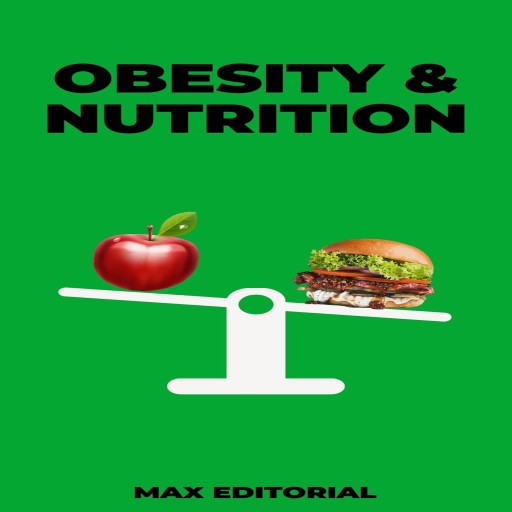
Obesity is a complex health condition characterized by excessive excess body fat, which can have effects on physical and emotional health. In the contemporary world, obesity has become a global epidemic, affecting people of all ages, genders and ethnic backgrounds. Understanding obesity and its intrinsic relationship to nutrition is critical to effectively addressing this issue.
Definition of Obesity and its Causes
Obesity is defined by the body mass index (BMI), a measure that relates an individual's weight to height. A BMI of 30 or more indicates obesity. However, obesity is not just a matter of aesthetics. It is associated with a number of serious health problems, including type 2 diabetes, heart disease, hypertension, sleep apnea and various forms of cancer.
The causes of obesity are multifactorial and complex. They involve the interaction between genetic, environmental, behavioral and metabolic factors. The abundant availability of high-calorie foods rich in vitamins and sugars, along with a sedentary lifestyle, are the main factors that have created for the rise in obesity rates. Additionally, individual metabolic issues and hormonal imbalances can also play a role in predisposing to obesity.
Importance of Nutrition in the Prevention and Treatment of Obesity
Nutrition plays a crucial role in both preventing and treating obesity. The relationship between food consumption and weight gain is direct, as excess calories consumed are stored as body fat. Therefore, taking a balanced approach to diet is essential.
A balanced diet consists of providing the body with the nutrients it needs for proper function, while controlling total caloric intake. This involves a proper mix of macronutrients such as carbohydrates, protein and vitamins, as well as taking in essential vitamins and minerals.
When considering obesity prevention and treatment, it is important to take a long-term approach. Extremely restrictive or drastic diets can result in temporary weight loss, but they are often unsustainable and can lead to the accordion effect. Instead, the focus should be on promoting healthy and sustainable lifestyle changes, including conscious food choices and regular physical activity.
In summary, obesity is a global challenge that affects the health and well-being of many people. Nutrition plays a key role in the prevention and treatment of obesity, and a balanced, long-term approach is needed to achieve lasting results. Throughout this ebook, we will explore in detail how nutrition can be a powerful ally in the journey to combat obesity and the search for a healthier lifestyle.
- Language
- English
Share
You might also like
Ocultismo
Carujo, Carlos Araujo
The Mysteries and Secrets of Freemasons Revealed
Morgan, William
TikTok: The secret behind meteoric rise and engagement manipulation
EDITORIAL, MAX
Los masones y el poder oculto
Lencina, Gustavo
TDAH e Procrastinação: Vencendo o Monstro da Espera
EDITORIAL, MAX
Sundar Pichai, una visión para el futuro de Google: el arquitecto del futuro digital
EDITORIAL, MAX