
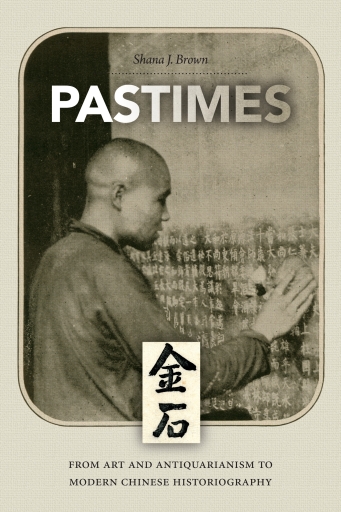
Pastimes
Published by University of Hawaii Press
English
232 pages
2011
ISBN 9780824860097
PDF
Buy at Association of University Presses - Tienda FILUNI
🇺🇸
 Catademic
🇺🇸
Visit store →
Catademic
🇺🇸
Visit store →
 Bajalibros Latam
🇺🇸
Visit store →
Bajalibros Latam
🇺🇸
Visit store →
 Association of University Presses - Tienda FILUNI
🇺🇸
Visit store →
Association of University Presses - Tienda FILUNI
🇺🇸
Visit store →
 Ebooks Librería Antártica
🇨🇱
Visit store →
Ebooks Librería Antártica
🇨🇱
Visit store →
 Ebooks Agustin
🇪🇸
Visit store →
Ebooks Agustin
🇪🇸
Visit store →
 Bajalibros Argentina
🇦🇷
Visit store →
Bajalibros Argentina
🇦🇷
Visit store →
 Sanborns Ebooks
🇲🇽
Visit store →
Sanborns Ebooks
🇲🇽
Visit store →
 ebooks Libreria del GAM
🇨🇱
Visit store →
ebooks Libreria del GAM
🇨🇱
Visit store →
 Bookshop Uruguay
🇺🇾
Visit store →
Bookshop Uruguay
🇺🇾
Visit store →
 ebookskitapenas
🇬🇹
Visit store →
ebookskitapenas
🇬🇹
Visit store →
 Ebooks Yenny - El Ateneo
🇦🇷
Visit store →
Ebooks Yenny - El Ateneo
🇦🇷
Visit store →
 Crisol Ebooks
🇵🇪
Visit store →
Crisol Ebooks
🇵🇪
Visit store →
Available at 12 bookshops
Catademic
🇺🇸
Visit store →
Bajalibros Latam
🇺🇸
Visit store →
Association of University Presses - Tienda FILUNI
🇺🇸
Visit store →
Ebooks Librería Antártica
🇨🇱
Visit store →
Ebooks Agustin
🇪🇸
Visit store →
Bajalibros Argentina
🇦🇷
Visit store →
Sanborns Ebooks
🇲🇽
Visit store →
ebooks Libreria del GAM
🇨🇱
Visit store →
Bookshop Uruguay
🇺🇾
Visit store →
ebookskitapenas
🇬🇹
Visit store →
Ebooks Yenny - El Ateneo
🇦🇷
Visit store →
Crisol Ebooks
🇵🇪
Visit store →
About this book
<p><i>Pastimes</i> is the first book in English on Chinese <i>jinshi,</i> or antiquarianism, the pinnacle of traditional connoisseurship of ancient artifacts and inscriptions. As a scholarly field, <i>jinshi</i> was inaugurated in the Northern Song (960–1127) and remained popular until the early twentieth century. Literally the study of inscriptions on bronze vessels and stone steles, <i>jinshi</i> combined calligraphy and painting, the collection of artifacts, and philological and historical research. For aficionados of Chinese art, the practices of <i>jinshi</i> offer a fascinating glimpse into the lives of traditional Chinese scholars and artists, who spent their days roaming the sometimes seamy world of the commercial art market before attending elegant antiquarian parties, where they composed poetic tributes to their ancient objects of obsession. And during times of political upheaval, such as the nineteenth century, the art and artifact studies of <i>jinshi</i> legitimatized reform and contributed to a dynamic and progressive field of learning.<br><br>Indeed, the paradox of <i>jinshi</i> is that it was nearly as venerable as the ancient artifacts themselves, and yet it was also subject to continual change. This was particularly true in the last decades of the Qing (1644–1911) and the first decades of the twentieth century, when a diverse group of cosmopolitan and science-minded scholars contributed to what was considered at the time to be a “revolution in traditional linguistics.” These antiquarians transformed how historians used literary sources and material artifacts from the ancient past and set the stage for a new understanding of the longevity and cohesiveness of Chinese history.<br><br>The history of <i>jinshi</i> offers insights that are relevant to Chinese cultural and intellectual history, art history, and politics. Scholars of the modern period will find the resiliency and continuing influence of <i>jinshi</i> to be an important counterpoint to received views on the trajectory of Chinese cultural and intellectual change. We are accustomed to think that Chinese modernity originated in the great tumult of the turn-of-the-century encounter with foreign learning. The example of <i>jinshi</i> reveals the significance of local transformations that occurred much earlier in the nineteenth century. Its combination of art and historiography reveals the full range of scholarly appreciation for the past and its artifacts and provides a unique perspective from which to define “modern China” and illuminate its indigenous origins.</p>
- Language
- English
Share
You might also like

Kit Cuidando dos relacionamentos
Gottlieb, Lori, Real, Terrence, Arroll, Dra. Meg
Tufty und das Rätsel des salzigen Meeres
Petersen - Clausen, Marcus PC

Dein KI-Assistent für den Alltag
Petersen - Clausen, Marcus PC

Zwischen Zeilen und Zynismus
Petersen - Clausen, Marcus PC

Locke & Key 1
Hillstrom King, Joseph

Grimório:a Franga Preta Ou A Galinha Com Ovos De Ouro
Inconnu