
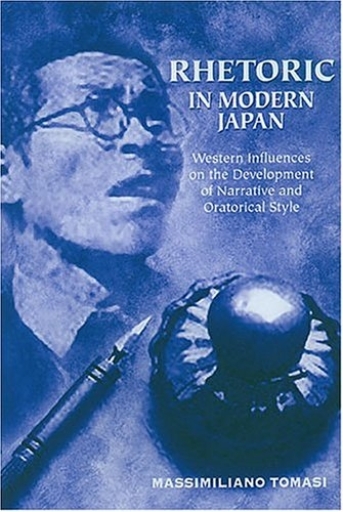
Rhetoric in Modern Japan
Published by University of Hawaii Press
English
224 pages
2004
ISBN 9780824840570
PDF
Buy at Association of University Presses - Tienda FILUNI
🇺🇸
 Catademic
🇺🇸
Visit store →
Catademic
🇺🇸
Visit store →
 Bajalibros Latam
🇺🇸
Visit store →
Bajalibros Latam
🇺🇸
Visit store →
 Association of University Presses - Tienda FILUNI
🇺🇸
Visit store →
Association of University Presses - Tienda FILUNI
🇺🇸
Visit store →
 Ebooks Librería Antártica
🇨🇱
Visit store →
Ebooks Librería Antártica
🇨🇱
Visit store →
 Ebooks Agustin
🇪🇸
Visit store →
Ebooks Agustin
🇪🇸
Visit store →
 Bajalibros Argentina
🇦🇷
Visit store →
Bajalibros Argentina
🇦🇷
Visit store →
 Sanborns Ebooks
🇲🇽
Visit store →
Sanborns Ebooks
🇲🇽
Visit store →
 ebooks Libreria del GAM
🇨🇱
Visit store →
ebooks Libreria del GAM
🇨🇱
Visit store →
 Bookshop Uruguay
🇺🇾
Visit store →
Bookshop Uruguay
🇺🇾
Visit store →
 ebookskitapenas
🇬🇹
Visit store →
ebookskitapenas
🇬🇹
Visit store →
 Ebooks Yenny - El Ateneo
🇦🇷
Visit store →
Ebooks Yenny - El Ateneo
🇦🇷
Visit store →
 Crisol Ebooks
🇵🇪
Visit store →
Crisol Ebooks
🇵🇪
Visit store →
Available at 12 bookshops
Catademic
🇺🇸
Visit store →
Bajalibros Latam
🇺🇸
Visit store →
Association of University Presses - Tienda FILUNI
🇺🇸
Visit store →
Ebooks Librería Antártica
🇨🇱
Visit store →
Ebooks Agustin
🇪🇸
Visit store →
Bajalibros Argentina
🇦🇷
Visit store →
Sanborns Ebooks
🇲🇽
Visit store →
ebooks Libreria del GAM
🇨🇱
Visit store →
Bookshop Uruguay
🇺🇾
Visit store →
ebookskitapenas
🇬🇹
Visit store →
Ebooks Yenny - El Ateneo
🇦🇷
Visit store →
Crisol Ebooks
🇵🇪
Visit store →
About this book
<p><i>Rhetoric in Modern Japan</i> is the first volume to discuss the role of Western rhetoric in the creation of a modern Japanese oral and narrative style. It considers the introduction of Western rhetoric, clarifying its interactions with the forces and synergies that shaped Japanese literature and culture in the late nineteenth and early twentieth centuries. Focusing on the Meiji and Taishō years (1868-1926), it challenges the prevailing view among contemporary scholars that rhetoric did not play a significant role in the literary developments of the period. <br><br>Massimiliano Tomasi chronicles the blooming of scholarship in the field in the early 1870s, providing the first descriptive analysis and cogently articulated critique of the major rhetorical treatises of the time. In discussing the rise of public speaking in early Meiji society, he unveils the existence of crucial links between the study of rhetoric and the social and literary events of the time, underscoring the key role played by oratory both as a tool for social modernization and as an effective platform for the reappraisal of the spoken language. <br><br>The collusion and conflicts characterizing rhetoric and its relationship with the <i>genbun itchi</i> movement, which sought to unify spoken and written language, are explored, demonstrating that their perceived antagonism was the uh_product of a misguided notion of rhetoric and the process of rhetorical signification rather than a true theoretical conflict. Tomasi makes a convincing argument that, in fact, Western rhetoric mediated between these equally compelling pursuits and paved the way toward an acceptable compromise between classical and colloquial written styles.</p>
Genres
- Language
- English
Share
You might also like
Argumentación y desacuerdo
Gensollen Mendoza, Mario
A Discourse Being Introductory to his Course of Lectures on Elocution and the English Language
Sheridan, Thomas

Reden müsste man können
Scheerer, Harald
Not One More!
Lozano, Nina Maria

Despierte al líder que hay en usted
Mario Luis Azcoaga
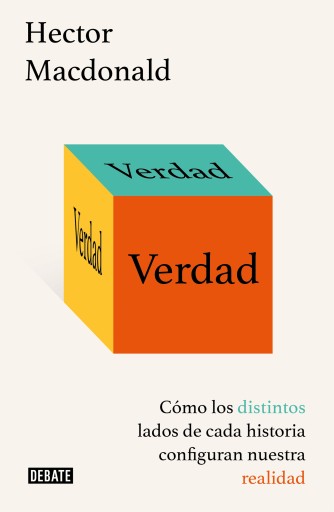
Verdad
Macdonald, Hector