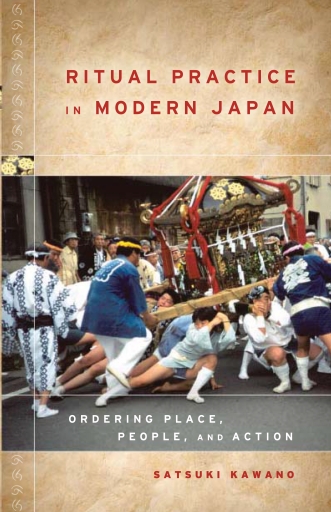
Ritual Practice in Modern Japan
Published by University of Hawaii Press
English
162 pages
2005
ISBN 9780824874513
PDF
Buy at Association of University Presses - Tienda FILUNI
🇺🇸
 Catademic
🇺🇸
Visit store →
Catademic
🇺🇸
Visit store →
 Bajalibros Latam
🇺🇸
Visit store →
Bajalibros Latam
🇺🇸
Visit store →
 Association of University Presses - Tienda FILUNI
🇺🇸
Visit store →
Association of University Presses - Tienda FILUNI
🇺🇸
Visit store →
 Ebooks Librería Antártica
🇨🇱
Visit store →
Ebooks Librería Antártica
🇨🇱
Visit store →
 Ebooks Agustin
🇪🇸
Visit store →
Ebooks Agustin
🇪🇸
Visit store →
 Bajalibros Argentina
🇦🇷
Visit store →
Bajalibros Argentina
🇦🇷
Visit store →
 Sanborns Ebooks
🇲🇽
Visit store →
Sanborns Ebooks
🇲🇽
Visit store →
 ebooks Libreria del GAM
🇺🇾
Visit store →
ebooks Libreria del GAM
🇺🇾
Visit store →
 Bookshop Uruguay
🇺🇾
Visit store →
Bookshop Uruguay
🇺🇾
Visit store →
 ebookskitapenas
🇬🇹
Visit store →
ebookskitapenas
🇬🇹
Visit store →
 Ebooks Yenny - El Ateneo
🇦🇷
Visit store →
Ebooks Yenny - El Ateneo
🇦🇷
Visit store →
 Crisol Ebooks
🇨🇴
Visit store →
Crisol Ebooks
🇨🇴
Visit store →
Available at 12 bookshops
Catademic
🇺🇸
Visit store →
Bajalibros Latam
🇺🇸
Visit store →
Association of University Presses - Tienda FILUNI
🇺🇸
Visit store →
Ebooks Librería Antártica
🇨🇱
Visit store →
Ebooks Agustin
🇪🇸
Visit store →
Bajalibros Argentina
🇦🇷
Visit store →
Sanborns Ebooks
🇲🇽
Visit store →
ebooks Libreria del GAM
🇺🇾
Visit store →
Bookshop Uruguay
🇺🇾
Visit store →
ebookskitapenas
🇬🇹
Visit store →
Ebooks Yenny - El Ateneo
🇦🇷
Visit store →
Crisol Ebooks
🇨🇴
Visit store →
About this book
<p>National surveys indicate that most Japanese, while professing no religious commitment, frequently perform rituals: They regularly tend their family home altars, look after family graves, participate in neighborhood festivals, and visit Shinto shrines and Buddhist temples. Are these rituals mere formalities? <br><br>Based on fourteen months of fieldwork in Kamakura city near Tokyo, Satsuki Kawano examines the power of ritual and its relevance for modern urbanites. She reveals the indebtedness of ritual to forms that create an elevated context and infuse the mundane with a sense of moral order. By employing acts and environments common to everyday life, Kawano argues, ritual evokes morally positive values such as purity, gratitude, respect, and indebtedness. Rather than objectify morality in a sacred text or religious doctrine, ritual embodies and emplaces a sense of what it means to be a good person and creates moments of personal significance and engagement. In Kamakura, belief is therefore a consequence and not a prerequisite of ritual engagement. <br><br><i>Ritual Practice in Modern Japan</i> effectively challenges the widespread assumption that ritual in non-Western societies has little moral significance and that, with modernization, "traditional" practices inevitably disappear. This is a book that will interest scholars and students of cultural anthropology, ritual studies, and Japanese studies.</p>
- Language
- English
Share