
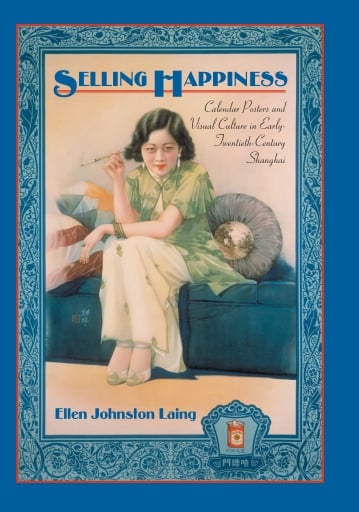
Selling Happiness
Published by University of Hawaii Press
English
322 pages
2004
ISBN 9780824843434
PDF
Buy at Bajalibros Latam
🇺🇸
 Catademic
🇺🇸
Visit store →
Catademic
🇺🇸
Visit store →
 Bajalibros Latam
🇺🇸
Visit store →
Bajalibros Latam
🇺🇸
Visit store →
 Association of University Presses - Tienda FILUNI
🇺🇸
Visit store →
Association of University Presses - Tienda FILUNI
🇺🇸
Visit store →
 Ebooks Librería Antártica
🇨🇱
Visit store →
Ebooks Librería Antártica
🇨🇱
Visit store →
 Ebooks Agustin
🇪🇸
Visit store →
Ebooks Agustin
🇪🇸
Visit store →
 Bajalibros Argentina
🇦🇷
Visit store →
Bajalibros Argentina
🇦🇷
Visit store →
 Sanborns Ebooks
🇲🇽
Visit store →
Sanborns Ebooks
🇲🇽
Visit store →
 ebooks Libreria del GAM
🇨🇱
Visit store →
ebooks Libreria del GAM
🇨🇱
Visit store →
 Bookshop Uruguay
🇺🇾
Visit store →
Bookshop Uruguay
🇺🇾
Visit store →
 ebookskitapenas
🇬🇹
Visit store →
ebookskitapenas
🇬🇹
Visit store →
 Ebooks Yenny - El Ateneo
🇦🇷
Visit store →
Ebooks Yenny - El Ateneo
🇦🇷
Visit store →
 Crisol Ebooks
🇵🇪
Visit store →
Crisol Ebooks
🇵🇪
Visit store →
Available at 12 bookshops
Catademic
🇺🇸
Visit store →
Bajalibros Latam
🇺🇸
Visit store →
Association of University Presses - Tienda FILUNI
🇺🇸
Visit store →
Ebooks Librería Antártica
🇨🇱
Visit store →
Ebooks Agustin
🇪🇸
Visit store →
Bajalibros Argentina
🇦🇷
Visit store →
Sanborns Ebooks
🇲🇽
Visit store →
ebooks Libreria del GAM
🇨🇱
Visit store →
Bookshop Uruguay
🇺🇾
Visit store →
ebookskitapenas
🇬🇹
Visit store →
Ebooks Yenny - El Ateneo
🇦🇷
Visit store →
Crisol Ebooks
🇵🇪
Visit store →
About this book
<p>From the early twentieth century until the Communist takeover in 1949, Shanghai commercial artists created thousands of colorful posters and black and white advertisements that formed an essential part of modern life in the city. This visually appealing and richly illustrated work describes the origin and evolution of modern commercial art in China, focusing on colorful advertisement calendar posters that featured distinctive feminine images. It makes clear how essential commercial art and its institutional backing were to the development of modern art and even modern society in China over the past century. <br><br><i>Selling Happiness</i> discusses not only advertising art but also the production and marketing of the calendar poster. These posters, like other advertisements, were rendered in a Western realistic technique and were wildly and widely popular. Ordinary people throughout China often acquired them to decorate their homes. Laing outlines how the Chinese commercial artist, who rarely attended formal Western art classes, gained skills in Western representational art. In the final chapter of the book, she explains how the styles developed by the commercial poster artists during the 1920s and 1930s became the basis for certain types of propaganda art under the Chinese Communists in the 1950s and 1960s.</p>
- Language
- English
Share
You might also like

Hôtel Buchholz: Ausstellungs-Erlebnisse der Frau Wilhelmine Buchholz
Stinde, Julius

Les Tapisseries bruxelloises
Wauters, Alphonse-Jules

Noa Noa
Gauguin, Paul, Morice, Charles

Atlas encyclopédique contenant les cartes et les planches relatives à la géographie physique
Saint-Vincent, Jean-Baptiste-Geneviève-Marcellin Bory de, Desmarest, Anselme Gaétan

The book of topiary
Gibson, W., Curtis, Charles H.

Old English colour prints
Salaman, Malcolm C.