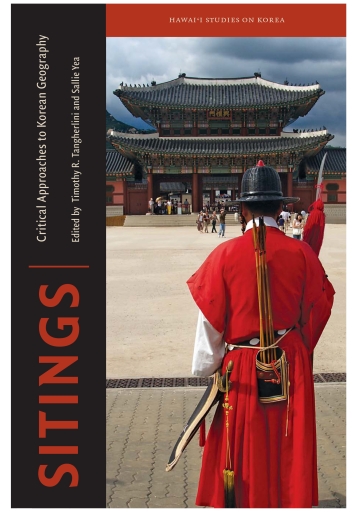
Sitings
Published by University of Hawaii Press
English
249 pages
2007
ISBN 9780824864323
PDF
Buy at Association of University Presses - Tienda FILUNI
🇺🇸
 Catademic
🇺🇸
Visit store →
Catademic
🇺🇸
Visit store →
 Bajalibros Latam
🇺🇸
Visit store →
Bajalibros Latam
🇺🇸
Visit store →
 Association of University Presses - Tienda FILUNI
🇺🇸
Visit store →
Association of University Presses - Tienda FILUNI
🇺🇸
Visit store →
 Ebooks Librería Antártica
🇨🇱
Visit store →
Ebooks Librería Antártica
🇨🇱
Visit store →
 Ebooks Agustin
🇪🇸
Visit store →
Ebooks Agustin
🇪🇸
Visit store →
 Bajalibros Argentina
🇦🇷
Visit store →
Bajalibros Argentina
🇦🇷
Visit store →
 Sanborns Ebooks
🇲🇽
Visit store →
Sanborns Ebooks
🇲🇽
Visit store →
 ebooks Libreria del GAM
🇨🇱
Visit store →
ebooks Libreria del GAM
🇨🇱
Visit store →
 Bookshop Uruguay
🇺🇾
Visit store →
Bookshop Uruguay
🇺🇾
Visit store →
 ebookskitapenas
🇬🇹
Visit store →
ebookskitapenas
🇬🇹
Visit store →
 Ebooks Yenny - El Ateneo
🇦🇷
Visit store →
Ebooks Yenny - El Ateneo
🇦🇷
Visit store →
 Crisol Ebooks
🇵🇪
Visit store →
Crisol Ebooks
🇵🇪
Visit store →
Available at 12 bookshops
Catademic
🇺🇸
Visit store →
Bajalibros Latam
🇺🇸
Visit store →
Association of University Presses - Tienda FILUNI
🇺🇸
Visit store →
Ebooks Librería Antártica
🇨🇱
Visit store →
Ebooks Agustin
🇪🇸
Visit store →
Bajalibros Argentina
🇦🇷
Visit store →
Sanborns Ebooks
🇲🇽
Visit store →
ebooks Libreria del GAM
🇨🇱
Visit store →
Bookshop Uruguay
🇺🇾
Visit store →
ebookskitapenas
🇬🇹
Visit store →
Ebooks Yenny - El Ateneo
🇦🇷
Visit store →
Crisol Ebooks
🇵🇪
Visit store →
About this book
<p>Arranged around a set of provocative themes, the essays in this volume engage in the discussion from various critical perspectives on Korean geography. Part One, "Geographies of the (Colonial) City," focuses on Seoul during the Japanese colonial occupation from 1910–1945 and the lasting impact of that period on the construction of specific places in Seoul. In Part Two, "Geographies of the (Imagined) Village," the authors delve into the implications for the conceptions of the village of recent economic and industrial development. In this context, they examine both constructed space, such as the Korean Folk Village, and rural villages that were physically transformed through the processes of rapid modernization. The essays in "Geographies of Religion" (Part Three) reveal how religious sites are historically and environmentally contested as well as the high degree of mobility exhibited by sites themselves. Similarly, places that exist at the margins are powerful loci for the negotiation of identity and aspects of cultural ideology. The final section, "Geographies of the Margin," focuses on places that exist at the margins of Korean society.<br><br><b>Contributors:</b> Todd A. Henry, Jong-Heon Jin, Laurel Kendall, David J. Nemeth, Robert Oppenheim, Michael J. Pettid, Je-Hun Ryu, Jesook Song,Timothy R. Tangherlini, Sallie Yea.</p>
- Language
- English
Share