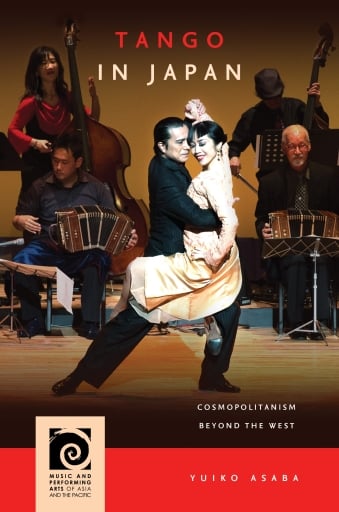
Tango in Japan
By Asaba, Yuiko
Published by University of Hawaii Press
English
2025
ISBN 9798880700165
eBook
Buy at Association of University Presses - Tienda FILUNI
🇺🇸
 Catademic
🇺🇸
Visit store →
Catademic
🇺🇸
Visit store →
 Bajalibros Latam
🇺🇸
Visit store →
Bajalibros Latam
🇺🇸
Visit store →
 Association of University Presses - Tienda FILUNI
🇺🇸
Visit store →
Association of University Presses - Tienda FILUNI
🇺🇸
Visit store →
 Ebooks Librería Antártica
🇨🇱
Visit store →
Ebooks Librería Antártica
🇨🇱
Visit store →
 Ebooks Agustin
🇪🇸
Visit store →
Ebooks Agustin
🇪🇸
Visit store →
 Bajalibros Argentina
🇦🇷
Visit store →
Bajalibros Argentina
🇦🇷
Visit store →
 Sanborns Ebooks
🇲🇽
Visit store →
Sanborns Ebooks
🇲🇽
Visit store →
 ebooks Libreria del GAM
🇨🇱
Visit store →
ebooks Libreria del GAM
🇨🇱
Visit store →
 Bookshop Uruguay
🇺🇾
Visit store →
Bookshop Uruguay
🇺🇾
Visit store →
 ebookskitapenas
🇬🇹
Visit store →
ebookskitapenas
🇬🇹
Visit store →
 Ebooks Yenny - El Ateneo
🇦🇷
Visit store →
Ebooks Yenny - El Ateneo
🇦🇷
Visit store →
 Crisol Ebooks
🇵🇪
Visit store →
Crisol Ebooks
🇵🇪
Visit store →
Available at 12 bookshops
Catademic
🇺🇸
Visit store →
Bajalibros Latam
🇺🇸
Visit store →
Association of University Presses - Tienda FILUNI
🇺🇸
Visit store →
Ebooks Librería Antártica
🇨🇱
Visit store →
Ebooks Agustin
🇪🇸
Visit store →
Bajalibros Argentina
🇦🇷
Visit store →
Sanborns Ebooks
🇲🇽
Visit store →
ebooks Libreria del GAM
🇨🇱
Visit store →
Bookshop Uruguay
🇺🇾
Visit store →
ebookskitapenas
🇬🇹
Visit store →
Ebooks Yenny - El Ateneo
🇦🇷
Visit store →
Crisol Ebooks
🇵🇪
Visit store →
About this book
<p><i>Why do Japanese people love tango? </i>Starting with this question, which the author frequently received while working as a tango violinist in Argentina, <i>Tango in Japan </i>reveals histories and ethnographies of tango in Japan dating back to its first introduction in the 1910s to the present day. While initially brought to Yokohama by North American tango dancers in 1914, tango’s immediate popularity in Japan quickly compelled many Japanese performers and writers to travel to Argentina in search of tango’s “origin” beginning in the 1920s. Many Japanese musicians, dancers, aficionados, and the wider public have, since then, approached tango as a new vehicle of expression, entertainment, and academic pursuit. The sounds of tango provided comfort and a sense of hope to many during the most turbulent years of the twentieth century, carving out distinctive characteristics of contemporary Japanese tango culture. Bypassing the West-East axis of understanding cultural transmission, <i>Tango in Japan </i>uncovers the processes of attraction, rejection, and self-transformation, illuminating the tension of cosmopolitan endeavors away from the Euro-American West.<br><br>Based on Yuiko Asaba’s field and archival work undertaken in both Japanese and Spanish languages in Japan and Argentina across two decades, and drawing on her own background as a tango violinist who performed as a member of tango orchestras in both countries, the discussions move between historical and ethnographic narratives, offering a comprehensive account of tango culture as it emerged in the history of a Japan-Argentina connection. Serving as the first in-depth work on the Japan-Argentina musical relationship, <i>Tango in Japan </i>tells a story that reflects the modern transformations of Japan and Argentina, and the global historical backdrops surrounding both countries.</p>
Genres
- Language
- English
Share