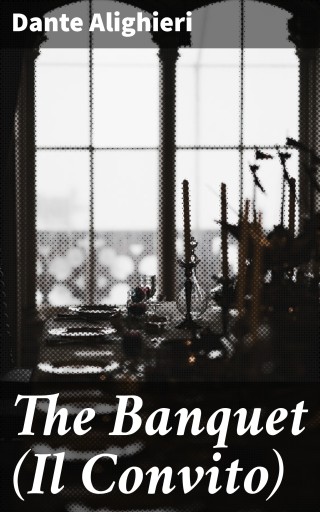
The Banquet (Il Convito)
Published by Good Press
English
2019
ISBN 4057664586728
eBook
Buy at Bajalibros Latam
🇺🇸
Available at 1 bookshops

About this book
Dante Alighieri's "The Banquet" (Il Convito) serves as a profound exploration of philosophical and moral themes, intricately interwoven with his unique vision of the world. Written in the vernacular, this work embodies the transition from medieval to Renaissance thought, showcasing Dante's mastery in blending allegory and direct discourse. Comprised of a series of essays, the text dissects various subjects, including ethics, love, and the nature of true happiness, while drawing heavily upon classical sources and illuminating the intimate connection between knowledge and spiritual enlightenment. Through its eloquent prose and meticulous structure, "The Banquet" stands as a testament to Dante's intellectual rigor and his enduring quest for truth. Dante, best known for his magnum opus "The Divine Comedy," was not merely a poet but a profound thinker shaped by the tumultuous political, social, and theological landscape of 14th-century Florence. His experiences of exile and his commitment to understanding the human condition likely propelled him to articulate his philosophical inquiries in "The Banquet." The work reflects Dante's desire to engage with the moral complexities of life and to inspire readers toward a higher understanding of virtue and wisdom. For readers seeking to delve into Dante's intellectual legacy, "The Banquet" offers a rich and rewarding experience. Its accessible language and thought-provoking content invite both scholars and casual readers to contemplate the nature of love, virtue, and the pursuit of knowledge. This book is invaluable for anyone wanting to grasp the intricate interplay of philosophy and literature in the context of human experience.
In this enriched edition, we have carefully created added value for your reading experience:
- A succinct Introduction situates the work's timeless appeal and themes.
- The Synopsis outlines the central plot, highlighting key developments without spoiling critical twists.
- A detailed Historical Context immerses you in the era's events and influences that shaped the writing.
- An Author Biography reveals milestones in the author's life, illuminating the personal insights behind the text.
- A thorough Analysis dissects symbols, motifs, and character arcs to unearth underlying meanings.
- Reflection questions prompt you to engage personally with the work's messages, connecting them to modern life.
- Hand‐picked Memorable Quotes shine a spotlight on moments of literary brilliance.
- Interactive footnotes clarify unusual references, historical allusions, and archaic phrases for an effortless, more informed read.
Availability
The Banquet (Il Convito) is available as eBook at 1 online bookshop.
- Language
- English
Share
Frequently asked questions
- In what formats is The Banquet (Il Convito) available?
- The Banquet (Il Convito) is available as eBook at 1 online bookshop.
- Where can I buy The Banquet (Il Convito)?
- You can buy The Banquet (Il Convito) at Bajalibros Latam. Compare every option in the list on this page.
Ratings & reviews
No ratings yet. Be the first to review this book.
Sign in to rate and review this book.