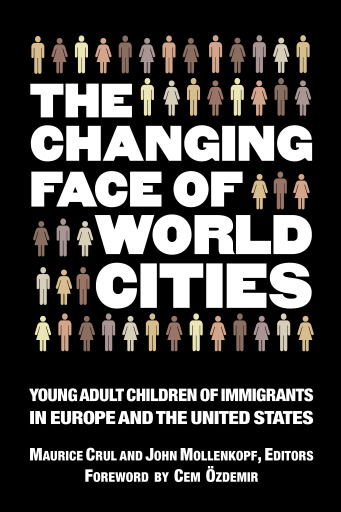
The Changing Face of World Cities
Published by Russell Sage Foundation
English
2012
ISBN 9781610447911
eBook
Buy at Bajalibros Latam
🇺🇸
Catademic
🇺🇸
Visit store →
Bajalibros Latam
🇺🇸
Visit store →
Association of University Presses - Tienda FILUNI
🇺🇸
Visit store →

Ebooks Librería Antártica
🇨🇱
Visit store →
Ebooks Agustin
🇪🇸
Visit store →
Bajalibros Argentina
🇦🇷
Visit store →

Sanborns Ebooks
🇲🇽
Visit store →
ebooks Libreria del GAM
🇨🇱
Visit store →
Bookshop Uruguay
🇺🇾
Visit store →

ebookskitapenas
🇬🇹
Visit store →
Ebooks Yenny - El Ateneo
🇦🇷
Visit store →
Crisol Ebooks
🇵🇪
Visit store →
Available at 12 bookshops
Catademic
🇺🇸
Visit store →
Association of University Presses - Tienda FILUNI
🇺🇸
Visit store →
Ebooks Librería Antártica
🇨🇱
Visit store →
Ebooks Agustin
🇪🇸
Visit store →
Sanborns Ebooks
🇲🇽
Visit store →
ebooks Libreria del GAM
🇨🇱
Visit store →
ebookskitapenas
🇬🇹
Visit store →
Ebooks Yenny - El Ateneo
🇦🇷
Visit store →
Crisol Ebooks
🇵🇪
Visit store →
About this book
<div>A seismic population shift is taking place as many formerly racially homogeneous cities in the West attract a diverse influx of newcomers seeking economic and social advancement. In The Changing Face of World Cities, a distinguished group of immigration experts presents the first systematic, data-based comparison of the lives of young adult children of immigrants growing up in seventeen big cities of Western Europe and the United States. Drawing on a comprehensive set of surveys, this important book brings together new evidence about the international immigrant experience and provides far-reaching lessons for devising more effective public policies. The Changing Face of World Cities pairs European and American researchers to explore how youths of immigrant origin negotiate educational systems, labor markets, gender, neighborhoods, citizenship, and identity on both sides of the Atlantic. Maurice Crul and his co-authors compare the educational trajectories of second-generation Mexicans in Los Angeles with second-generation Turks in Western European cities. In the United States, uneven school quality in disadvantaged immigrant neighborhoods and the high cost of college are the main barriers to educational advancement, while in some European countries, rigid early selection sorts many students off the college track and into dead-end jobs. Liza Reisel, Laurence Lessard-Phillips, and Phil Kasinitz find that while more young members of the second generation are employed in the United States than in Europe, they are also likely to hold low-paying jobs that barely life them out of poverty. In Europe, where immigrant youth suffer from higher unemployment, the embattled European welfare system still yields them a higher standard of living than many of their American counterparts. Turning to issues of identity and belonging, Jens Schneider, Leo Chávez, Louis DeSipio, and Mary Waters find that it is far easier for the children of Dominican or Mexican immigrants to identify as American, in part because the United States takes hyphenated identities for granted. In Europe, religious bias against Islam makes it hard for young people of Turkish origin to identify strongly as German, French, or Swedish. Editors Maurice Crul and John Mollenkopf conclude that despite the barriers these youngsters encounter on both continents, they are making real progress relative to their parents and are beginning to close the gap with the native-born. The Changing Face of World Cities goes well beyong existing immigration literature focused on the United States experience to show that national policies on each side of the Atlantic can be enriched by lessons from the other. The Changing Face of World Cities will be vital reading for anyone interested in the young people who will shape the future of our increasingly interconnected global economy.</div>
- Language
- English
Share
You might also like
As Regras do método sociológico
Durkheim, Émile
Bitcoin: A moeda na era digital
Ulrich, Fernando
La verdad bien contada. Ética y estética en el periodismo de García Márquez
Patiño, Darío Fernando
Las clases medias profesionales en Cali
Sánchez Salcedo, José Fernando
Narcotráfico, financiación política y corrupción
Cepeda Ulloa, Fernando
Los Herederos de Eva
Fauzt, Franz Xaver