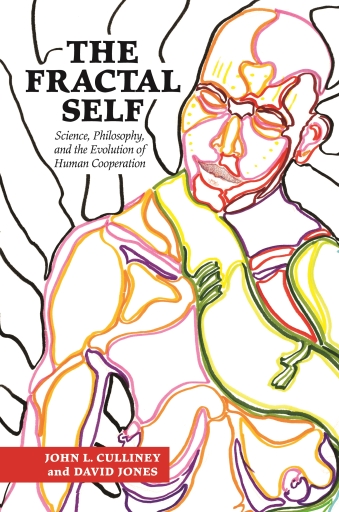
The Fractal Self
By Culliney, John L., Jones, David
Published by University of Hawaii Press
English
257 pages
2017
ISBN 9780824866648
PDF
Buy at Bajalibros Latam
🇺🇸
Catademic
🇺🇸
Visit store →
Bajalibros Latam
🇺🇸
Visit store →
Association of University Presses - Tienda FILUNI
🇺🇸
Visit store →

Ebooks Librería Antártica
🇨🇱
Visit store →
Ebooks Agustin
🇪🇸
Visit store →
Bajalibros Argentina
🇦🇷
Visit store →

Sanborns Ebooks
🇲🇽
Visit store →
ebooks Libreria del GAM
🇨🇱
Visit store →
Bookshop Uruguay
🇺🇾
Visit store →
ebookskitapenas
🇬🇹
Visit store →
Ebooks Yenny - El Ateneo
🇦🇷
Visit store →
Crisol Ebooks
🇵🇪
Visit store →
Available at 12 bookshops
Catademic
🇺🇸
Visit store →
Association of University Presses - Tienda FILUNI
🇺🇸
Visit store →
Ebooks Librería Antártica
🇨🇱
Visit store →
Ebooks Agustin
🇪🇸
Visit store →
Sanborns Ebooks
🇲🇽
Visit store →
ebooks Libreria del GAM
🇨🇱
Visit store →
ebookskitapenas
🇬🇹
Visit store →
Ebooks Yenny - El Ateneo
🇦🇷
Visit store →
Crisol Ebooks
🇵🇪
Visit store →
About this book
<p>Our universe, science reveals, began in utter simplicity, then evolved into burgeoning complexity. Starting with subatomic particles, dissimilar entities formed associations—binding, bonding, growing, branching, catalyzing, cooperating—as “self” joined “other” following universal laws with names such as gravity, chemical attraction, and natural selection. Ultimately life arose in a world of dynamic organic chemistry, and complexity exploded with wondrous new potential.<br><br>Fast forward to human evolution, and a tension that had existed for billions of years now played out in an unprecedented arena of conscious calculation and cultural diversity. Cooperation interleaving with competition; intimacy oscillating with integrity—we dwell in a world where <i>yin </i>meets <i>yang</i> in human affairs on many levels. In <i>The Fractal Self,</i> John Culliney and David Jones uncover surprising intersections between science and philosophy. Connecting evidence from evolutionary science with early insights of Daoist and Buddhist thinkers, among others, they maintain that sagely behavior, envisioned in these ancient traditions, represents a pinnacle of human achievement emerging out of our evolutionary heritage. They identify an archetype, “the fractal self,” a person in any walk of life who cultivates a cooperative spirit. A fractal self is a sage in training, who joins others in common cause, leads from within, and achieves personal satisfaction in coordinating smooth performance of the group, team, or institution in which he or she is embedded. Fractal selves commonly operate with dedication and compassionate practice in the service of human society or in conserving our planet.<br><br>But the competitive side of human nature is susceptible to greed and aggression. Self-aggrandizement, dictatorial power, and ego-driven enforcement of will are the goals of those following a self-serving path—individuals the authors identify as antisages. Terrorist leaders are an especially murderous breed, but aggrandizers can be found throughout business, religion, educational institutions, and governments. Humanity has reached an existential tipping point: will the horizon already in view expand with cooperative progress toward godlike emergent opportunities or contract in the thrall of corrupt oligarchs and tribal animosities? We have brought ourselves to a chaotic edge between immense promise and existential danger and are even now making our greatest choice.</p>
- Language
- English
Share
You might also like
Nietzsche y los judíos
Eduardo Carrasco
Filosofía: conceptos fundamentales
Cristóbal Orrego Sánchez
La persona: divina, angélica, humana. Actas del Primer Congreso Internacional de Filosofía Tomista
Maite Del Pilar Cereceda, María Esther Gómez de Pedro
O poder alquímico das sensações
Santos, Maria Siqueira
La distinción
Bourdieu, Pierre
Diario de un ninja
Rodríguez (El Sevilla), Miguel Ángel