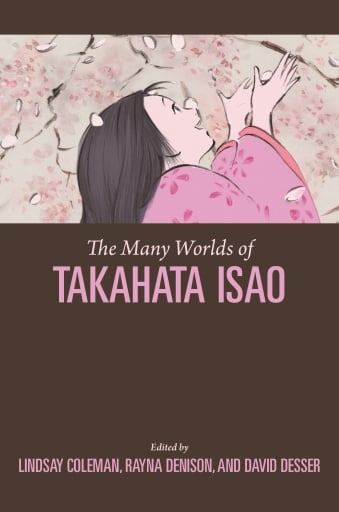
The Many Worlds of Takahata Isao
Published by University of Hawaii Press
English
264 pages
2025
ISBN 9798880701049
PDF
Buy at Bajalibros Latam
🇺🇸
 Bajalibros Latam
🇺🇸
Visit store →
Bajalibros Latam
🇺🇸
Visit store →
 Ebooks Librería Antártica
🇨🇱
Visit store →
Ebooks Librería Antártica
🇨🇱
Visit store →
 Ebooks Agustin
🇪🇸
Visit store →
Ebooks Agustin
🇪🇸
Visit store →
 Bajalibros Argentina
🇦🇷
Visit store →
Bajalibros Argentina
🇦🇷
Visit store →
 Sanborns Ebooks
🇲🇽
Visit store →
Sanborns Ebooks
🇲🇽
Visit store →
 ebooks Libreria del GAM
🇨🇱
Visit store →
ebooks Libreria del GAM
🇨🇱
Visit store →
 Bookshop Uruguay
🇺🇾
Visit store →
Bookshop Uruguay
🇺🇾
Visit store →
 ebookskitapenas
🇬🇹
Visit store →
ebookskitapenas
🇬🇹
Visit store →
 Ebooks Yenny - El Ateneo
🇦🇷
Visit store →
Ebooks Yenny - El Ateneo
🇦🇷
Visit store →
 Crisol Ebooks
🇵🇪
Visit store →
Crisol Ebooks
🇵🇪
Visit store →
Available at 10 bookshops
Bajalibros Latam
🇺🇸
Visit store →
Ebooks Librería Antártica
🇨🇱
Visit store →
Ebooks Agustin
🇪🇸
Visit store →
Bajalibros Argentina
🇦🇷
Visit store →
Sanborns Ebooks
🇲🇽
Visit store →
ebooks Libreria del GAM
🇨🇱
Visit store →
Bookshop Uruguay
🇺🇾
Visit store →
ebookskitapenas
🇬🇹
Visit store →
Ebooks Yenny - El Ateneo
🇦🇷
Visit store →
Crisol Ebooks
🇵🇪
Visit store →
About this book
<p>Takahata Isao (1935–2018), often referred to as the “Second Pillar” of the renowned Studio Ghibli, is one of the most esteemed animation directors in the history of the form. He is also the first, and thus far the only, anime director to have a solo exhibition at the prestigious National Museum of Modern Art in Tokyo and was widely recognized for his advocacy of environmental and pacifist causes. Takahata’s distinctive vision and range and diverse contributions in both television and film have left an enduring mark on the genre, earning him a place of high regard among anime enthusiasts and scholars alike.<br><br><i>The Many Worlds of Takahata Isao</i> is the first English-language book dedicated to exploring lesser-known works and aspects of Takahata’s career and providing in-depth analyses of the films that garnered him international acclaim. Bringing together some of the foremost authorities on anime, it examines his pioneering television work on <i>World Masterpiece Theater</i> and its precursors (1974–1979) and <i>Chie the Brat</i> (1981–1983), as well as his directorial feature film debut <i>Horus, Prince of the Sun </i>(1968) and the documentary <i>The Story of Yanagawa’s Waterways</i> (1987), which combines live-action and animation. The book delves into Takahata’s best-known films, including <i>Grave of the Fireflies</i> (1988), the intensely moving story of children caught in the fire-bombing of Japan during World War II; the endearing, “Ozu-esque” <i>Only Yesterday</i> (1991); <i>Pom Poko</i> (1994), known not only for its humor and striking visual effects, but also for its sharp critique of ecological and cultural loss; the stylistically innovative <i>My Neighbors the Yamadas</i> (1999); and Takahata’s final feature, <i>The Tale of Princess Kaguya</i> (2013), celebrated by many as a masterpiece of animation and storytelling.</p>
- Language
- English
Share