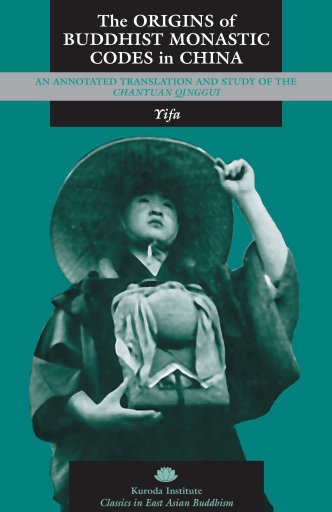
The Origins of Buddhist Monastic Codes in China
By Yifa
Published by University of Hawaii Press
Available at 13 bookshops
 Association of University Presses - Tienda FILUNI
🇺🇸
Visit store →
Association of University Presses - Tienda FILUNI
🇺🇸
Visit store →
 Bajalibros Argentina
🇦🇷
Visit store →
Bajalibros Argentina
🇦🇷
Visit store →
 Bajalibros Latam
🇺🇸
Visit store →
Bajalibros Latam
🇺🇸
Visit store →
 Bookshop Uruguay
🇺🇾
Visit store →
Bookshop Uruguay
🇺🇾
Visit store →
 Catademic
🇺🇸
Visit store →
Catademic
🇺🇸
Visit store →








About this book
Availability
The Origins of Buddhist Monastic Codes in China is available as PDF at 13 online bookshops. Bookshops carrying it include Association of University Presses - Tienda FILUNI, Bajalibros Argentina, Bajalibros Latam.
Genres
- Language
- English
Frequently asked questions
- In what formats is The Origins of Buddhist Monastic Codes in China available?
- The Origins of Buddhist Monastic Codes in China is available as PDF at 13 online bookshops.
- Where can I buy The Origins of Buddhist Monastic Codes in China?
- You can buy The Origins of Buddhist Monastic Codes in China at Association of University Presses - Tienda FILUNI, Bajalibros Argentina, Bajalibros Latam. Compare every option in the list on this page.
- How long does it take to read The Origins of Buddhist Monastic Codes in China?
- At an average reading pace, The Origins of Buddhist Monastic Codes in China takes about 7 h 5 min to read (386 pages).
Ratings & reviews
No ratings yet. Be the first to review this book.
Sign in to rate and review this book.