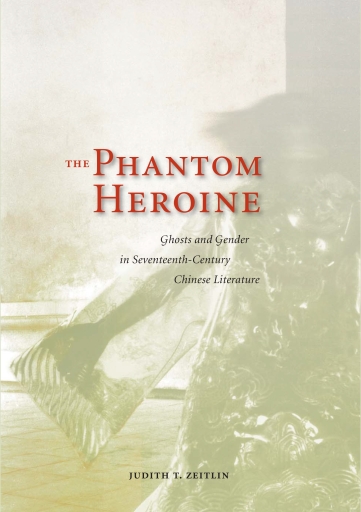
The Phantom Heroine
Published by University of Hawaii Press
English
313 pages
2007
ISBN 9780824864934
PDF
Buy at Bajalibros Latam
🇺🇸
 Catademic
🇺🇸
Visit store →
Catademic
🇺🇸
Visit store →
 Bajalibros Latam
🇺🇸
Visit store →
Bajalibros Latam
🇺🇸
Visit store →
 Association of University Presses - Tienda FILUNI
🇺🇸
Visit store →
Association of University Presses - Tienda FILUNI
🇺🇸
Visit store →
 Ebooks Librería Antártica
🇨🇱
Visit store →
Ebooks Librería Antártica
🇨🇱
Visit store →
 Ebooks Agustin
🇪🇸
Visit store →
Ebooks Agustin
🇪🇸
Visit store →
 Bajalibros Argentina
🇦🇷
Visit store →
Bajalibros Argentina
🇦🇷
Visit store →
 Sanborns Ebooks
🇲🇽
Visit store →
Sanborns Ebooks
🇲🇽
Visit store →
 ebooks Libreria del GAM
🇨🇱
Visit store →
ebooks Libreria del GAM
🇨🇱
Visit store →
 Bookshop Uruguay
🇺🇾
Visit store →
Bookshop Uruguay
🇺🇾
Visit store →
 ebookskitapenas
🇬🇹
Visit store →
ebookskitapenas
🇬🇹
Visit store →
 Ebooks Yenny - El Ateneo
🇦🇷
Visit store →
Ebooks Yenny - El Ateneo
🇦🇷
Visit store →
 Crisol Ebooks
🇵🇪
Visit store →
Crisol Ebooks
🇵🇪
Visit store →
Available at 12 bookshops
Catademic
🇺🇸
Visit store →
Bajalibros Latam
🇺🇸
Visit store →
Association of University Presses - Tienda FILUNI
🇺🇸
Visit store →
Ebooks Librería Antártica
🇨🇱
Visit store →
Ebooks Agustin
🇪🇸
Visit store →
Bajalibros Argentina
🇦🇷
Visit store →
Sanborns Ebooks
🇲🇽
Visit store →
ebooks Libreria del GAM
🇨🇱
Visit store →
Bookshop Uruguay
🇺🇾
Visit store →
ebookskitapenas
🇬🇹
Visit store →
Ebooks Yenny - El Ateneo
🇦🇷
Visit store →
Crisol Ebooks
🇵🇪
Visit store →
About this book
<p>The "phantom heroine"—in particular the fantasy of her resurrection through sex with a living man—is one of the most striking features of traditional Chinese literature. Even today the hypersexual female ghost continues to be a source of fascination in East Asian media, much like the sexually predatory vampire in American and European movies, TV, and novels. But while vampires can be of either gender, erotic Chinese ghosts are almost exclusively female. The significance of this gender asymmetry in Chinese literary history is the subject of Judith Zeitlin’s elegantly written and meticulously researched new book.<br><br>Zeitlin’s study centers on the seventeenth century, one of the most interesting and creative periods of Chinese literature and politically one of the most traumatic, witnessing the overthrow of the Ming, the Manchu conquest, and the subsequent founding of the Qing. Drawing on fiction, drama, poetry, medical cases, and visual culture, the author departs from more traditional literary studies, which tend to focus on a single genre or author. Ranging widely across disciplines, she integrates detailed analyses of great literary works with insights drawn from the history of medicine, art history, comparative literature, anthropology, religion, and performance studies.<br><br><i>The Phantom Heroine</i> probes the complex literary and cultural roots of the Chinese ghost tradition. Zeitlin is the first to address its most remarkable feature: the phenomenon of verse attributed to phantom writers—that is, authors actually reputed to be spirits of the deceased. She also makes the case for the importance of lyric poetry in developing a ghostly aesthetics and image code. Most strikingly, Zeitlin shows that the representation of female ghosts, far from being a marginal preoccupation, expresses cultural concerns of central importance.</p>
Genres
- Language
- English
Share