
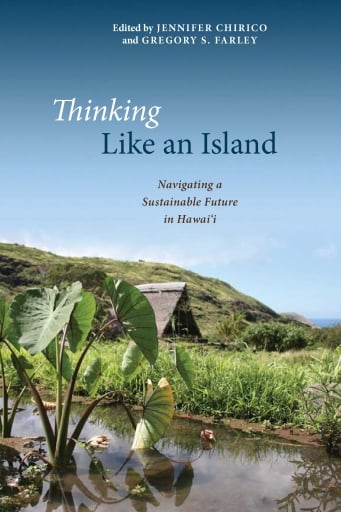
Thinking Like an Island
Published by University of Hawaii Press
English
2015
ISBN 9780824854140
eBook
Buy at Catademic
🇺🇸
 Catademic
🇺🇸
Visit store →
Catademic
🇺🇸
Visit store →
 Bajalibros Latam
🇺🇸
Visit store →
Bajalibros Latam
🇺🇸
Visit store →
 Association of University Presses - Tienda FILUNI
🇺🇸
Visit store →
Association of University Presses - Tienda FILUNI
🇺🇸
Visit store →
 Ebooks Librería Antártica
🇨🇱
Visit store →
Ebooks Librería Antártica
🇨🇱
Visit store →
 Ebooks Agustin
🇪🇸
Visit store →
Ebooks Agustin
🇪🇸
Visit store →
 Bajalibros Argentina
🇦🇷
Visit store →
Bajalibros Argentina
🇦🇷
Visit store →
 Sanborns Ebooks
🇲🇽
Visit store →
Sanborns Ebooks
🇲🇽
Visit store →
 ebooks Libreria del GAM
🇨🇱
Visit store →
ebooks Libreria del GAM
🇨🇱
Visit store →
 Bookshop Uruguay
🇺🇾
Visit store →
Bookshop Uruguay
🇺🇾
Visit store →
 ebookskitapenas
🇬🇹
Visit store →
ebookskitapenas
🇬🇹
Visit store →
 Ebooks Yenny - El Ateneo
🇦🇷
Visit store →
Ebooks Yenny - El Ateneo
🇦🇷
Visit store →
 Crisol Ebooks
🇵🇪
Visit store →
Crisol Ebooks
🇵🇪
Visit store →
Available at 12 bookshops
Catademic
🇺🇸
Visit store →
Bajalibros Latam
🇺🇸
Visit store →
Association of University Presses - Tienda FILUNI
🇺🇸
Visit store →
Ebooks Librería Antártica
🇨🇱
Visit store →
Ebooks Agustin
🇪🇸
Visit store →
Bajalibros Argentina
🇦🇷
Visit store →
Sanborns Ebooks
🇲🇽
Visit store →
ebooks Libreria del GAM
🇨🇱
Visit store →
Bookshop Uruguay
🇺🇾
Visit store →
ebookskitapenas
🇬🇹
Visit store →
Ebooks Yenny - El Ateneo
🇦🇷
Visit store →
Crisol Ebooks
🇵🇪
Visit store →
About this book
<p>Hawaii is a rare and special place, in which beauty and isolation combine to form a vision of paradise. That isolation, though, comes at a price: resources in modern-day Hawaii are strained and expensive, and current economic models dictate that the Hawaiian Islands are reliant upon imported food, fuels, and other materials. Yet the islands supported a historic Hawaiian population of a million people or more. This was possible because Hawaiians, prior to European contact, had learned the ecological limits of their islands and how to live sustainably within them.<br><br>Today, Hawaii is experiencing a surge of new strategies that make living in the islands more ecologically, economically, and socially resilient. A vibrant native agriculture movement helps feed Hawaiians with traditional foods, and employs local farmers using traditional methods; efforts at green homebuilding help provide healthy, comfortable housing that exists in better harmony with the environment; efforts to recycle wastewater help reduce stress on fragile freshwater resources; school gardens help feed families and reconnect them with local food and farming. At the same time, many of the people who have developed these strategies find that their processes reflect, and in some cases draw from, the lessons learned by Hawaiians over thousands of years. <br><br>This collection of case studies is a road map to help other isolated communities, island and mainland, navigate their own paths to sustainability, and establishes Hawaii as a model from which other communities can draw inspiration, practical advice, and hope for the future.</p>
- Language
- English
Share
You might also like

Propuestas del bicentenario
Consultores, Videnza
Ecoansias
Baños, Irene
Objetivos do desenvolvimento sustentável (ODS)
Haddad, Paulo R.

Guia-chave da liderança regenerativa
Rezende, Bruna, Lafraia, Flavia
Aportes a la sustentabilidad. Una mirada desde la gestión del territorio y los recursos naturales (Miradas colectivas hacia la sustentabilidad).
Alejandro, Francisco, David, Rodrigo, Pablo, Mónica, Mara Alejandra, Cortés Lara, Álvarez Partida, José de Anda, Sánchez, Francisco Antonio, Espinosa Guzmán, Flores Elizondo, Nayar Cuitláhuac, Gutiérrez Astudillo, Emely, Malacón Hill, Mendo Gutiérrez, María Jania, Orozco Bojórquez, Daniel Enrique, Sardo, Solórzano Gil, Leopoldo, Torres Barahona, Vargas del Río, Vázquez Piombo
FNE Verde
Vieira, Jean Marcell de Miranda