
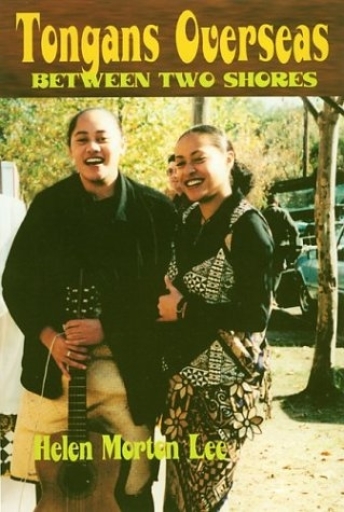
Tongans Overseas
Published by University of Hawaii Press
English
336 pages
2003
ISBN 9780824846534
PDF
Buy at Association of University Presses - Tienda FILUNI
🇺🇸
 Catademic
🇺🇸
Visit store →
Catademic
🇺🇸
Visit store →
 Bajalibros Latam
🇺🇸
Visit store →
Bajalibros Latam
🇺🇸
Visit store →
 Association of University Presses - Tienda FILUNI
🇺🇸
Visit store →
Association of University Presses - Tienda FILUNI
🇺🇸
Visit store →
 Ebooks Librería Antártica
🇨🇱
Visit store →
Ebooks Librería Antártica
🇨🇱
Visit store →
 Ebooks Agustin
🇪🇸
Visit store →
Ebooks Agustin
🇪🇸
Visit store →
 Bajalibros Argentina
🇦🇷
Visit store →
Bajalibros Argentina
🇦🇷
Visit store →
 Sanborns Ebooks
🇲🇽
Visit store →
Sanborns Ebooks
🇲🇽
Visit store →
 ebooks Libreria del GAM
🇨🇱
Visit store →
ebooks Libreria del GAM
🇨🇱
Visit store →
 Bookshop Uruguay
🇺🇾
Visit store →
Bookshop Uruguay
🇺🇾
Visit store →
 ebookskitapenas
🇬🇹
Visit store →
ebookskitapenas
🇬🇹
Visit store →
 Ebooks Yenny - El Ateneo
🇦🇷
Visit store →
Ebooks Yenny - El Ateneo
🇦🇷
Visit store →
 Crisol Ebooks
🇵🇪
Visit store →
Crisol Ebooks
🇵🇪
Visit store →
Available at 12 bookshops
Catademic
🇺🇸
Visit store →
Bajalibros Latam
🇺🇸
Visit store →
Association of University Presses - Tienda FILUNI
🇺🇸
Visit store →
Ebooks Librería Antártica
🇨🇱
Visit store →
Ebooks Agustin
🇪🇸
Visit store →
Bajalibros Argentina
🇦🇷
Visit store →
Sanborns Ebooks
🇲🇽
Visit store →
ebooks Libreria del GAM
🇨🇱
Visit store →
Bookshop Uruguay
🇺🇾
Visit store →
ebookskitapenas
🇬🇹
Visit store →
Ebooks Yenny - El Ateneo
🇦🇷
Visit store →
Crisol Ebooks
🇵🇪
Visit store →
About this book
<p>Since the late 1960s Tongans have been leaving their islands in large numbers and settling in many different nations. <i>Tongans Overseas</i> is a timely look at their settlement experiences as they relate to cultural identity, particularly among the younger generations raised outside Tonga. What does being Tongan mean to these young people? Why do some proudly proclaim and cherish their Tongan identities while others remain ambivalent, confused, or indifferent? <br><br>Helen Morton Lee's innovative research offers insights into these and many other questions, revealing the complexities of identity construction in the context of migration and the varied ways in which individuals seek a sense of belonging. Using both traditional ethnographic fieldwork and newly popular Internet discussion forums, where young Tongans speak their minds and describe their experiences, Lee has produced the most comprehensive study of Tongan migrants to date. Throughout the book diasporic Tongans speak eloquently about their lives, and case studies of families and individuals bring the analysis to life. Lee explores tensions within overseas communities, especially the intergenerational conflicts that are contributing to the alienation of many young Tongans today.</p>
- Language
- English
Share
You might also like
Desafíos comunes Tomo I
Kathya Araujo

Bio-Cultural Diversity Emerging Issues, Challenges and Prospects
V. Narayana Reddy

Artistas do invisível
Kaplan, Allan

Una antropología del amor
Lobato, Josefina Pimenta

Ritos y ceremonias andinas en torno a la vida y la muerte en el noroeste argentino
Vargas, Amalia
El quinto país del mundo
Olabarrieta Canudo, Begoña