
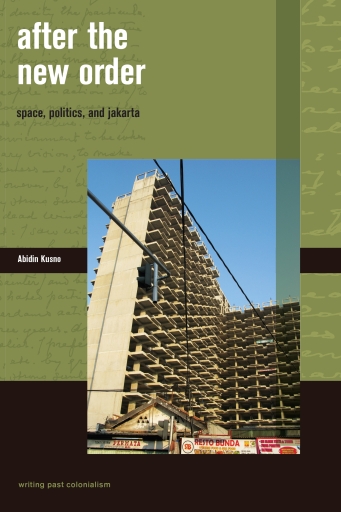
After the New Order
Par Kusno, Abidin
Publié par University of Hawaii Press
Disponible dans 13 librairies
 Association of University Presses - Tienda FILUNI
🇺🇸
Visiter la boutique →
Association of University Presses - Tienda FILUNI
🇺🇸
Visiter la boutique →
 Bajalibros Argentina
🇦🇷
Visiter la boutique →
Bajalibros Argentina
🇦🇷
Visiter la boutique →
 Bajalibros Latam
🇺🇸
Visiter la boutique →
Bajalibros Latam
🇺🇸
Visiter la boutique →

 Catademic
🇺🇸
Visiter la boutique →
Catademic
🇺🇸
Visiter la boutique →








À propos de ce livre
Disponibilité
After the New Order est disponible en PDF dans 13 librairies en ligne. Parmi les librairies qui le proposent : Association of University Presses - Tienda FILUNI, Bajalibros Argentina, Bajalibros Latam.
- Langue
- English
Questions fréquentes
- Dans quels formats After the New Order est-il disponible ?
- After the New Order est disponible en PDF dans 13 librairies en ligne.
- Où puis-je acheter After the New Order ?
- Vous pouvez acheter After the New Order sur Association of University Presses - Tienda FILUNI, Bajalibros Argentina, Bajalibros Latam. Comparez toutes les options dans la liste de cette page.
- Combien de temps faut-il pour lire After the New Order ?
- À un rythme de lecture moyen, After the New Order se lit en environ 5 h 37 min (306 pages).
Notes et avis
Pas encore de note. Soyez le premier à donner votre avis sur ce livre.
Se connecter pour noter ce livre et donner votre avis.
Vous aimerez aussi

Santiago de Cali y el Palacio Nacional de Justicia
Hincapié Aristizábal, Ricardo

Bairro Nossa Senhora Da Conceição
Da Braga, Andreia Maria

Herzpunkt der Anlage
Danz, Daniela
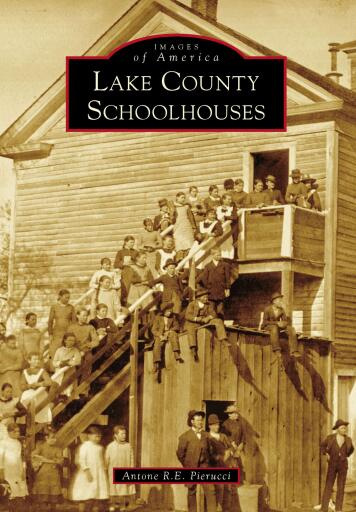
Lake County Schoolhouses
Pierucci, Antone R.E.

1000 Monuments of Genius
Pearson, Christopher E.M.

Cozinhas profissionais
Monteiro, Renata Zambon