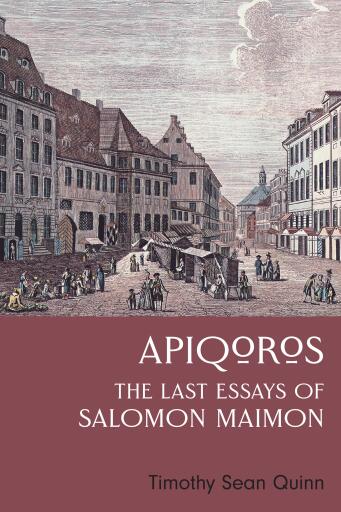
Apiqoros
Publié par Hebrew Union College Press
English
178 pages
2021
ISBN 9780878201921
PDF
Buy at Catademic
🇺🇸
 Catademic
🇺🇸
Visiter la boutique →
Catademic
🇺🇸
Visiter la boutique →
 Bajalibros Latam
🇺🇸
Visiter la boutique →
Bajalibros Latam
🇺🇸
Visiter la boutique →
 LORANCHBOOKSTORE
🇺🇸
Visiter la boutique →
LORANCHBOOKSTORE
🇺🇸
Visiter la boutique →
 Ebooks Librería Carlos Fuentes
🇲🇽
Visiter la boutique →
Ebooks Librería Carlos Fuentes
🇲🇽
Visiter la boutique →
 ebooks libreria española
🇪🇨
Visiter la boutique →
ebooks libreria española
🇪🇨
Visiter la boutique →
 Bajalibros Argentina
🇦🇷
Visiter la boutique →
Bajalibros Argentina
🇦🇷
Visiter la boutique →
 Alpha Books
🇨🇴
Visiter la boutique →
Alpha Books
🇨🇴
Visiter la boutique →
 Sanborns Ebooks
🇲🇽
Visiter la boutique →
Sanborns Ebooks
🇲🇽
Visiter la boutique →
 ebooks Libreria del GAM
🇨🇱
Visiter la boutique →
ebooks Libreria del GAM
🇨🇱
Visiter la boutique →
 Bookshop Uruguay
🇺🇾
Visiter la boutique →
Bookshop Uruguay
🇺🇾
Visiter la boutique →
 Ebooks Yenny - El Ateneo
🇦🇷
Visiter la boutique →
Ebooks Yenny - El Ateneo
🇦🇷
Visiter la boutique →
 Crisol Ebooks
🇵🇪
Visiter la boutique →
Crisol Ebooks
🇵🇪
Visiter la boutique →
Disponible dans 12 librairies
Catademic
🇺🇸
Visiter la boutique →
Bajalibros Latam
🇺🇸
Visiter la boutique →
LORANCHBOOKSTORE
🇺🇸
Visiter la boutique →
Ebooks Librería Carlos Fuentes
🇲🇽
Visiter la boutique →
ebooks libreria española
🇪🇨
Visiter la boutique →
Bajalibros Argentina
🇦🇷
Visiter la boutique →
Alpha Books
🇨🇴
Visiter la boutique →
Sanborns Ebooks
🇲🇽
Visiter la boutique →
ebooks Libreria del GAM
🇨🇱
Visiter la boutique →
Bookshop Uruguay
🇺🇾
Visiter la boutique →
Ebooks Yenny - El Ateneo
🇦🇷
Visiter la boutique →
Crisol Ebooks
🇵🇪
Visiter la boutique →
À propos de ce livre
Although Kant considered him the greatest critic of his work, and Fichte thought him the most impressive mind of the generation, Salomon Maimon (1753-1800) has fallen into relative obscurity. Apiqoros: The Last Essays of Salomon Maimon draws attention to works written during the final years of Maimon's life. These essays are of particular interest: they show that even though Maimon was a self-proclaimed apiqoros grappling with the implications of Kantian philosophy, his thinking remained deeply influenced by his Jewish intellectual inheritance, especially by Maimonides. The volume is divided into two parts. The first is a general account of Maimon's intellectual biography, along with commentary on his final essays. The second part provides translations of those essays, the principal themes of which concern moral psychology. The reader is thus able to see the degree to which Maimon, at the end of his life, became skeptical of his effort to unite Kant and Maimonides, and remained a thinker caught "between two worlds." The book concludes with a translation of an account of Maimon's final hours, penned by one of his friends.
Catégories
- Langue
- English
Partager