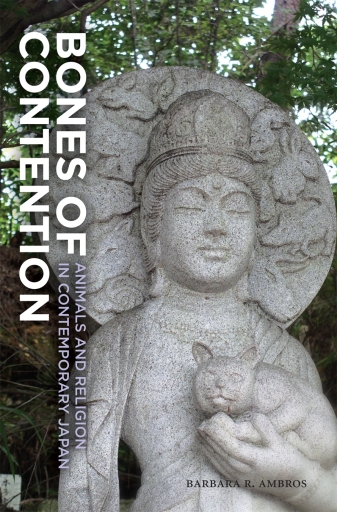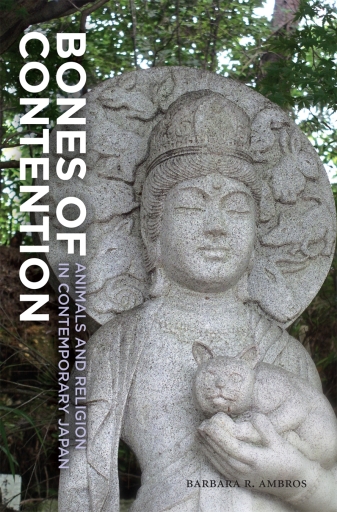
Bones of Contention
Publié par University of Hawaii Press
English
2012
ISBN 9780824848118
eBook
Buy at Sanborns Ebooks
🇲🇽
 Association of University Presses - Tienda FILUNI
🇺🇸
Visiter la boutique →
Association of University Presses - Tienda FILUNI
🇺🇸
Visiter la boutique →
 Bajalibros Argentina
🇦🇷
Visiter la boutique →
Bajalibros Argentina
🇦🇷
Visiter la boutique →
 Bajalibros Latam
🇺🇸
Visiter la boutique →
Bajalibros Latam
🇺🇸
Visiter la boutique →
 Bookshop Uruguay
🇺🇾
Visiter la boutique →
Bookshop Uruguay
🇺🇾
Visiter la boutique →
 Catademic
🇺🇸
Visiter la boutique →
Catademic
🇺🇸
Visiter la boutique →
Disponible dans 13 librairies
Association of University Presses - Tienda FILUNI
🇺🇸
Visiter la boutique →
Bajalibros Argentina
🇦🇷
Visiter la boutique →
Bajalibros Latam
🇺🇸
Visiter la boutique →
Bookshop Uruguay
🇺🇾
Visiter la boutique →
Catademic
🇺🇸
Visiter la boutique →








À propos de ce livre
Since the 1990s the Japanese pet industry has grown to a trillion-yen business and estimates place the number of pets above the number of children under the age of fifteen. There are between 6,000 to 8,000 businesses in the Japanese pet funeral industry, including more than 900 pet cemeteries. Of these about 120 are operated by Buddhist temples, and Buddhist mortuary rites for pets have become an institutionalized practice. In Bones of Contention, Barbara Ambros investigates what religious and intellectual traditions constructed animals as subjects of religious rituals and how pets have been included or excluded in the necral landscapes of contemporary Japan.
Pet mortuary rites are emblems of the ongoing changes in contemporary Japanese religions. The increase in single and nuclear-family households, marriage delays for both males and females, the falling birthrate and graying of society, the occult boom of the 1980s, the pet boom of the 1990s, the anti-religious backlash in the wake of the 1995 Aum Shinrikyō incident—all of these and more have contributed to Japan’s contested history of pet mortuary rites. Ambros uses this history to shed light on important questions such as: Who (or what) counts as a family member? What kinds of practices should the state recognize as religious and thus protect financially and legally? Is it frivolous or selfish to keep, pamper, or love an animal? Should humans and pets be buried together? How do people reconcile the deeply personal grief that follows the loss of a pet and how do they imagine the afterlife of pets? And ultimately, what is the status of animals in Japan? Bones of Contention is a book about how Japanese people feel and think about pets and other kinds of animals and, in turn, what pets and their people have to tell us about life and death in Japan today.
Disponibilité
Bones of Contention est disponible en eBook dans 13 librairies en ligne. Parmi les librairies qui le proposent : Association of University Presses - Tienda FILUNI, Bajalibros Argentina, Bajalibros Latam.
Catégories
- Langue
- English
Partager
Questions fréquentes
- Dans quels formats Bones of Contention est-il disponible ?
- Bones of Contention est disponible en eBook dans 13 librairies en ligne.
- Où puis-je acheter Bones of Contention ?
- Vous pouvez acheter Bones of Contention sur Association of University Presses - Tienda FILUNI, Bajalibros Argentina, Bajalibros Latam. Comparez toutes les options dans la liste de cette page.
Notes et avis
Pas encore de note. Soyez le premier à donner votre avis sur ce livre.
Se connecter pour noter ce livre et donner votre avis.