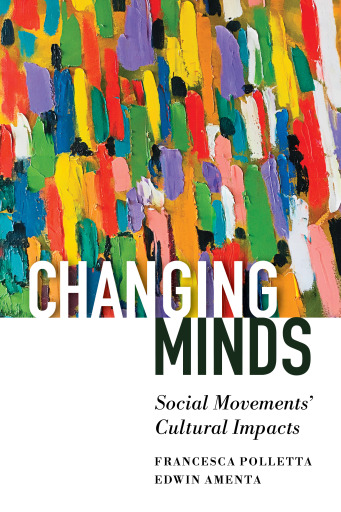
Changing Minds
Par Polletta, Francesca, Amenta, Edwin
Publié par Russell Sage Foundation
English
2025
ISBN 9781610449304
eBook
Buy at Association of University Presses - Tienda FILUNI
🇺🇸
Catademic
🇺🇸
Visiter la boutique →
Bajalibros Latam
🇺🇸
Visiter la boutique →
Association of University Presses - Tienda FILUNI
🇺🇸
Visiter la boutique →

Ebooks Librería Antártica
🇨🇱
Visiter la boutique →
Ebooks Agustin
🇪🇸
Visiter la boutique →
Bajalibros Argentina
🇦🇷
Visiter la boutique →

Sanborns Ebooks
🇲🇽
Visiter la boutique →
ebooks Libreria del GAM
🇨🇱
Visiter la boutique →
Bookshop Uruguay
🇺🇾
Visiter la boutique →

ebookskitapenas
🇬🇹
Visiter la boutique →
Ebooks Yenny - El Ateneo
🇦🇷
Visiter la boutique →
Crisol Ebooks
🇵🇪
Visiter la boutique →
Disponible dans 12 librairies
Catademic
🇺🇸
Visiter la boutique →

Association of University Presses - Tienda FILUNI
🇺🇸
Visiter la boutique →
Ebooks Librería Antártica
🇨🇱
Visiter la boutique →
Ebooks Agustin
🇪🇸
Visiter la boutique →
Sanborns Ebooks
🇲🇽
Visiter la boutique →
ebooks Libreria del GAM
🇨🇱
Visiter la boutique →
ebookskitapenas
🇬🇹
Visiter la boutique →
Ebooks Yenny - El Ateneo
🇦🇷
Visiter la boutique →
Crisol Ebooks
🇵🇪
Visiter la boutique →
À propos de ce livre
Social movements—organized efforts by relatively powerless people to change society—can result in legal and policy changes, such as laws protecting same-sex marriage and tax rebates for solar energy. However, movements also change people’s beliefs, values, and everyday behavior. Such changes may help bring about new policies or take place in the absence of new policy, yet we still know little about when and why they occur. In <i>Changing Minds</i>, sociologists Francesca Polletta and Edwin Amenta ask why movements have sometimes had fast and far-reaching cultural influence.<br> <br> Polletta and Amenta examine the trajectories of U.S. social movements, including the old-age pension movements of the 1930s and 1940s, the Black rights movement of the 1950s and 1960s, the women’s movement of the 1970s, right-wing movements in the 1980s and 1990s, and the environmental movement up to the present, to determine when, why, and how social movements change culture. They find that influential movements are featured in the news, but not only in the news. Movement perspectives may appear also in opinion and commentary outlets, on television talk shows and dramas, in movies, stand-up comedy, and viral memes. Popular culture producers remake movement messages as they transmit them, sometimes in ways that make those messages compelling. For example, while the news largely ignored feminists’ challenge to inequality in the home, popular cultural outlets turned “liberation” into a resonant demand for women’s right to self-fulfillment outside the home and within it. Widespread attention to the movement may lead people to change their minds individually. But more substantial change is likely when companies, schools, and other organizations outside government strive to get out in front of a newly legitimate issue, whether environmental sustainability or racial equity, by adopting movement-supportive norms and practices. Eventually, ideas associated with a movement may become a new common sense—though not always the ideas that the movement intended.<br> <br> Throughout <i>Changing Minds</i>, Polletta and Amenta provide activists with strategies for getting their message heard and acted on. They suggest how movement actors can get into the news as political players or experts rather than lawbreakers or zealots. They show when it makes sense for activists to work with popular cultural producers and when they should create their own cultural outlets. They explain why the routes to cultural influence have changed and why urging people to take one easy step to save the planet can do more harm than good.<br> <br> <i>Changing Minds</i> is a fascinating exploration of why and how some social movements have caused profound shifts in society.<br> <br>
Catégories
- Langue
- English
Partager
Vous aimerez aussi
O luto entre clínica e política
Rodrigues, Carla
Aposentadoria, Cotidiano e Espaços Urbanos: Vivências na Cidade de Florianópolis
Costa, Aline Bogoni, Soares, Dulce Helena Penna
Ação, tempo e conhecimento
Iorio, Ubiratan Jorge
Escola nova, poble lliure
Maragall, Ernest
Bases positivas del liberalismo
Espinosa, Ignacio V.
Trabajo social
Mellizo Rojas, Wilson Herney