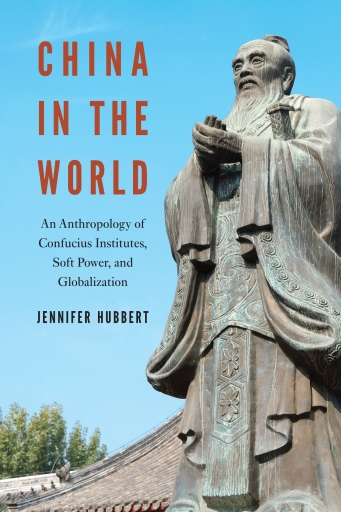
China in the World
Publié par University of Hawaii Press
English
2019
ISBN 9780824878542
eBook
Buy at Association of University Presses - Tienda FILUNI
🇺🇸
 Bajalibros Argentina
🇦🇷
Visiter la boutique →
Bajalibros Argentina
🇦🇷
Visiter la boutique →
 Bajalibros Latam
🇺🇸
Visiter la boutique →
Bajalibros Latam
🇺🇸
Visiter la boutique →
 Bookshop Uruguay
🇺🇾
Visiter la boutique →
Bookshop Uruguay
🇺🇾
Visiter la boutique →
 Catademic
🇺🇸
Visiter la boutique →
Catademic
🇺🇸
Visiter la boutique →
Disponible dans 13 librairies
 Bajalibros Argentina
🇦🇷
Visiter la boutique →
Bajalibros Latam
🇺🇸
Visiter la boutique →
Bookshop Uruguay
🇺🇾
Visiter la boutique →
Catademic
🇺🇸
Visiter la boutique →
Bajalibros Argentina
🇦🇷
Visiter la boutique →
Bajalibros Latam
🇺🇸
Visiter la boutique →
Bookshop Uruguay
🇺🇾
Visiter la boutique →
Catademic
🇺🇸
Visiter la boutique →








À propos de ce livre
Confucius Institutes, the language and culture programs funded by the Chinese government, have been established in more than 1,500 schools worldwide since their debut in 2004. A centerpiece of China’s soft power policy, they represent an effort to smooth China’s path to superpower status by enhancing its global appeal. Yet Confucius Institutes have given rise to voluble and contentious public debate in host countries, where they have been both welcomed as a source of educational funding and feared as spy outposts, neocolonial incursions, and obstructions to academic freedom. China in the World turns an anthropological lens on this most visible, ubiquitous, and controversial globalization project in an effort to provide fresh insight into China’s shifting place in the world.
Author Jennifer Hubbert takes the study of soft power policy into the classroom, offering an anthropological intervention into a subject that has been dominated by the methods and analyses of international relations and political science. She argues that concerns about Confucius Institutes reflect broader debates over globalization and modernity and ultimately about a changing global order. Examining the production of soft power policy in situ allows us to move beyond program intentions to see how Confucius Institutes are actually understood and experienced in day-to-day classroom interactions. By assessing the perspectives of participants and exploring the complex ways in which students, teachers, parents, and program administrators interpret the Confucius Institute curriculum, she highlights significant gaps between China’s soft power policy intentions and the effects of those policies in practice.
China in the World brings original, long-term ethnographic research to bear on how representations of and knowledge about China are constructed, consumed, and articulated in encounters between China, the United States, and the Confucius Institute programs themselves. It moves a controversial topic beyond the realm of policy making to examine the mechanisms through which policy is implemented, engaged, and contested by a multitude of stakeholders and actors. It provides new insight into how policy actually works, showing that it takes more than financial wherewithal and official resolve to turn cultural presence into power.
Disponibilité
China in the World est disponible en eBook dans 13 librairies en ligne. Parmi les librairies qui le proposent : Association of University Presses - Tienda FILUNI, Bajalibros Argentina, Bajalibros Latam.
- Langue
- English
Partager
Questions fréquentes
- Dans quels formats China in the World est-il disponible ?
- China in the World est disponible en eBook dans 13 librairies en ligne.
- Où puis-je acheter China in the World ?
- Vous pouvez acheter China in the World sur Association of University Presses - Tienda FILUNI, Bajalibros Argentina, Bajalibros Latam. Comparez toutes les options dans la liste de cette page.
Notes et avis
Pas encore de note. Soyez le premier à donner votre avis sur ce livre.
Se connecter pour noter ce livre et donner votre avis.