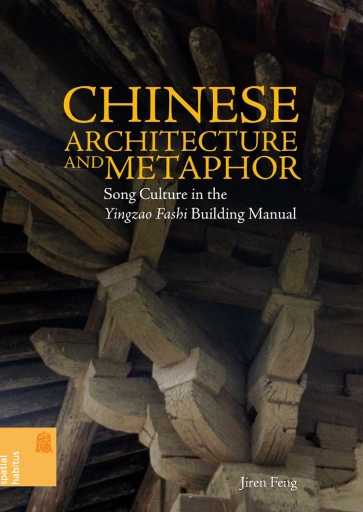
Chinese Architecture and Metaphor
Par Feng, Jiren
Publié par University of Hawaii Press
Disponible dans 13 librairies
 Association of University Presses - Tienda FILUNI
🇺🇸
Visiter la boutique →
Association of University Presses - Tienda FILUNI
🇺🇸
Visiter la boutique →
 Bajalibros Argentina
🇦🇷
Visiter la boutique →
Bajalibros Argentina
🇦🇷
Visiter la boutique →
 Bajalibros Latam
🇺🇸
Visiter la boutique →
Bajalibros Latam
🇺🇸
Visiter la boutique →
 Bookshop Uruguay
🇺🇾
Visiter la boutique →
Bookshop Uruguay
🇺🇾
Visiter la boutique →
 Catademic
🇺🇸
Visiter la boutique →
Catademic
🇺🇸
Visiter la boutique →








À propos de ce livre
Disponibilité
Chinese Architecture and Metaphor est disponible en PDF dans 13 librairies en ligne. Parmi les librairies qui le proposent : Association of University Presses - Tienda FILUNI, Bajalibros Argentina, Bajalibros Latam.
Catégories
- Langue
- English
Questions fréquentes
- Dans quels formats Chinese Architecture and Metaphor est-il disponible ?
- Chinese Architecture and Metaphor est disponible en PDF dans 13 librairies en ligne.
- Où puis-je acheter Chinese Architecture and Metaphor ?
- Vous pouvez acheter Chinese Architecture and Metaphor sur Association of University Presses - Tienda FILUNI, Bajalibros Argentina, Bajalibros Latam. Comparez toutes les options dans la liste de cette page.
- Combien de temps faut-il pour lire Chinese Architecture and Metaphor ?
- À un rythme de lecture moyen, Chinese Architecture and Metaphor se lit en environ 5 h 54 min (322 pages).
Notes et avis
Pas encore de note. Soyez le premier à donner votre avis sur ce livre.
Se connecter pour noter ce livre et donner votre avis.
Vous aimerez aussi

Literarische Schöpfung im Mittelalter
Kiening, Christian
Miscellaneous Investigations in Central Tikal--Structures in and Around the Lost World Plaza
Loten, H. Stanley
INFAMIUM
Weissenberger, Marc
Londinium, Architecture and the Crafts
Lethaby, W. R.

The Richest Man in Babylon
Clason, George S.