
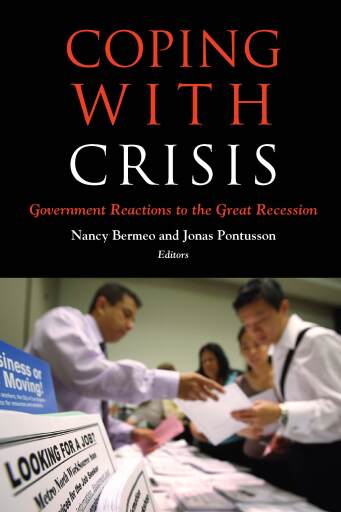
Coping with Crisis
Publié par Russell Sage Foundation
English
2012
ISBN 9781610447928
eBook
Buy at ebookstaolistic
🇺🇸
 Catademic
🇺🇸
Visiter la boutique →
Catademic
🇺🇸
Visiter la boutique →
 ebookstaolistic
🇺🇸
Visiter la boutique →
ebookstaolistic
🇺🇸
Visiter la boutique →
 Bajalibros Latam
🇺🇸
Visiter la boutique →
RS
RSAGE
🇺🇸
Visiter la boutique →
Bajalibros Latam
🇺🇸
Visiter la boutique →
RS
RSAGE
🇺🇸
Visiter la boutique →
 Association of University Presses - Tienda FILUNI
🇺🇸
Visiter la boutique →
Association of University Presses - Tienda FILUNI
🇺🇸
Visiter la boutique →
 publica.la marketplace
🇦🇷
Visiter la boutique →
publica.la marketplace
🇦🇷
Visiter la boutique →
 Ebooks Librería Antártica
🇨🇱
Visiter la boutique →
Ebooks Librería Antártica
🇨🇱
Visiter la boutique →
 Ebooks Agustin
🇪🇸
Visiter la boutique →
Ebooks Agustin
🇪🇸
Visiter la boutique →
 Bajalibros Argentina
🇦🇷
Visiter la boutique →
Bajalibros Argentina
🇦🇷
Visiter la boutique →
 Sanborns Ebooks
🇲🇽
Visiter la boutique →
Sanborns Ebooks
🇲🇽
Visiter la boutique →
 ebooks Libreria del GAM
🇺🇾
Visiter la boutique →
ebooks Libreria del GAM
🇺🇾
Visiter la boutique →
 Bookshop Uruguay
🇺🇾
Visiter la boutique →
Bookshop Uruguay
🇺🇾
Visiter la boutique →
 ebookskitapenas
🇬🇹
Visiter la boutique →
ebookskitapenas
🇬🇹
Visiter la boutique →
 Ebooks Yenny - El Ateneo
🇦🇷
Visiter la boutique →
Ebooks Yenny - El Ateneo
🇦🇷
Visiter la boutique →
 Crisol Ebooks
🇨🇴
Visiter la boutique →
Crisol Ebooks
🇨🇴
Visiter la boutique →
Disponible dans 15 librairies
Catademic
🇺🇸
Visiter la boutique →
ebookstaolistic
🇺🇸
Visiter la boutique →
Bajalibros Latam
🇺🇸
Visiter la boutique →
RS
RSAGE
🇺🇸
Visiter la boutique →
Association of University Presses - Tienda FILUNI
🇺🇸
Visiter la boutique →
publica.la marketplace
🇦🇷
Visiter la boutique →
Ebooks Librería Antártica
🇨🇱
Visiter la boutique →
Ebooks Agustin
🇪🇸
Visiter la boutique →
Bajalibros Argentina
🇦🇷
Visiter la boutique →
Sanborns Ebooks
🇲🇽
Visiter la boutique →
ebooks Libreria del GAM
🇺🇾
Visiter la boutique →
Bookshop Uruguay
🇺🇾
Visiter la boutique →
ebookskitapenas
🇬🇹
Visiter la boutique →
Ebooks Yenny - El Ateneo
🇦🇷
Visiter la boutique →
Crisol Ebooks
🇨🇴
Visiter la boutique →
À propos de ce livre
<div>The financial crisis that erupted on Wall Street in 2008 quickly cascaded throughout much of the advanced industrial world. Facing the specter of another Great Depression, policymakers across the globe responded in sharply different ways to avert an economic collapse. Why did the response to the crisis—and its impact on individual countries—vary so greatly among interdependent economies? How did political factors like public opinion and domestic interest groups shape policymaking in this moment of economic distress? Coping with Crisis offers a rigorous analysis of the choices societies made as a devastating global economic crisis unfolded. With an ambitiously broad range of inquiry, Coping with Crisis examines the interaction between international and domestic politics to shed new light on the inner workings of democratic politics. The volume opens with an engaging overview of the global crisis and the role played by international bodies like the G-20 and the WTO. In his survey of international initiatives in response to the recession, Eric Helleiner emphasizes the limits of multilateral crisis management, finding that domestic pressures were more important in reorienting fiscal policy. He also argues that unilateral decisions by national governments to hold large dollar reserves played the key role in preventing a dollar crisis, which would have considerably worsened the downturn. David R. Cameron discusses the fiscal responses of the European Union and its member states. He suggests that a profound coordination problem involving fiscal and economic policy impeded the E.U.'s ability to respond in a timely and effective manner. The volume also features several case studies and country comparisons. Nolan McCarty assesses the performance of the American political system during the crisis. He argues that the downturn did little to dampen elite polarization in the U.S.; divisions within the Democratic Party—as well as the influence of the financial sector—narrowed the range of policy options available to fight the crisis. Ben W. Ansell examines how fluctuations in housing prices in 30 developed countries affected the policy preferences of both citizens and political parties. His evidence shows that as housing prices increased, homeowners expressed preferences for both lower taxes and a smaller safety net. As more citizens supplement their day-to-day income with assets like stocks and housing, Ansell's research reveals a potentially significant trend in the formation of public opinion. Five years on, the prospects for a prolonged slump in economic activity remain high, and the policy choices going forward are contentious. But the policy changes made between 2007 and 2010 will likely constrain any new initiatives in the future. Coping with Crisis offers unmatched analysis of the decisions made in the developed world during this critical period. It is an essential read for scholars of comparative politics and anyone interested in a comprehensive account of the new international politics of austerity.</div>
- Langue
- English
Partager
Vous aimerez aussi

Empresarios zombis. La mayor elusión tributaria de la elite chilena
Juan Andrés Guzmán

Luz, cámara...elección
Marcelo Hilsenrad

Bolsonaro Presidente
Antuage

El saqueo de los grupos economicos al estado de Chile
Mönckeberg, Maria Olivia

Guerras de ayer y de hoy
Ayestaran, Mikel, Lobo, Ramón

Manual de historia de las ideas políticas - Tomo III
Jiménez, Magda Catalina, Arango Domínguez, Ana María, Isaza, Carolina, Gallego, Mario A, Rojas Jiménez, Hector Heraldo, Jaramillo Mutis, Diego, García Duarte, Ricardo