
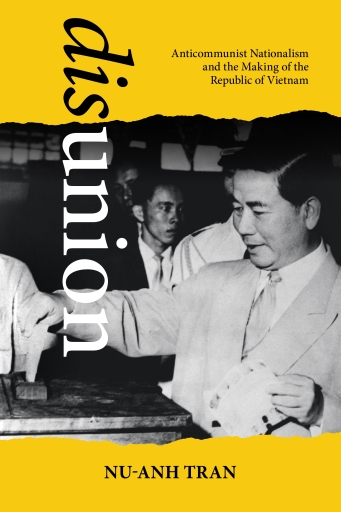
Disunion
Par Tran, Nu-Anh
Publié par University of Hawaii Press
Disponible dans 13 librairies
 Association of University Presses - Tienda FILUNI
🇺🇸
Visiter la boutique →
Association of University Presses - Tienda FILUNI
🇺🇸
Visiter la boutique →
 Bajalibros Argentina
🇦🇷
Visiter la boutique →
Bajalibros Argentina
🇦🇷
Visiter la boutique →
 Bajalibros Latam
🇺🇸
Visiter la boutique →
Bajalibros Latam
🇺🇸
Visiter la boutique →
 Bookshop Uruguay
🇺🇾
Visiter la boutique →
Bookshop Uruguay
🇺🇾
Visiter la boutique →
 Catademic
🇺🇸
Visiter la boutique →
Catademic
🇺🇸
Visiter la boutique →








À propos de ce livre
Disponibilité
Disunion est disponible en PDF dans 13 librairies en ligne. Parmi les librairies qui le proposent : Association of University Presses - Tienda FILUNI, Bajalibros Argentina, Bajalibros Latam.
- Langue
- English
Questions fréquentes
- Dans quels formats Disunion est-il disponible ?
- Disunion est disponible en PDF dans 13 librairies en ligne.
- Où puis-je acheter Disunion ?
- Vous pouvez acheter Disunion sur Association of University Presses - Tienda FILUNI, Bajalibros Argentina, Bajalibros Latam. Comparez toutes les options dans la liste de cette page.
- Combien de temps faut-il pour lire Disunion ?
- À un rythme de lecture moyen, Disunion se lit en environ 4 h 52 min (265 pages).
Notes et avis
Pas encore de note. Soyez le premier à donner votre avis sur ce livre.
Se connecter pour noter ce livre et donner votre avis.
Vous aimerez aussi

The Oldest Known Writing in Siamese: The Inscription of Phra Ram Khamhæng of Sukhothai
Bradley, Cornelius Beach

Silver Screens and Golden Dreams
Ferguson, Jane M.

A Heritage of Ruins
Chapman, William R.

Ghosts of the New City
Johnson, Andrew Alan

The Lost Territories
Strate, Shane

The Way of the Cross
Bautista, Julius