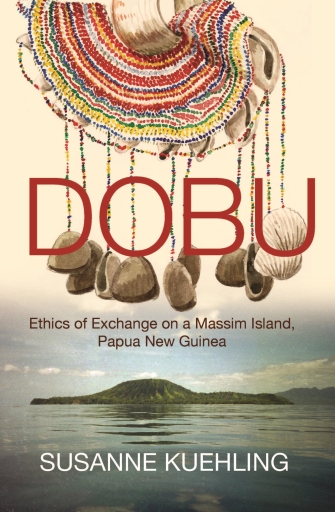
Dobu
Publié par University of Hawaii Press
English
327 pages
2021
ISBN 9780824893873
PDF
Buy at Association of University Presses - Tienda FILUNI
🇺🇸
 Catademic
🇺🇸
Visiter la boutique →
Catademic
🇺🇸
Visiter la boutique →
 Bajalibros Latam
🇺🇸
Visiter la boutique →
Bajalibros Latam
🇺🇸
Visiter la boutique →
 Association of University Presses - Tienda FILUNI
🇺🇸
Visiter la boutique →
Association of University Presses - Tienda FILUNI
🇺🇸
Visiter la boutique →
 Ebooks Librería Antártica
🇨🇱
Visiter la boutique →
Ebooks Librería Antártica
🇨🇱
Visiter la boutique →
 Ebooks Agustin
🇪🇸
Visiter la boutique →
Ebooks Agustin
🇪🇸
Visiter la boutique →
 Bajalibros Argentina
🇦🇷
Visiter la boutique →
Bajalibros Argentina
🇦🇷
Visiter la boutique →
 Sanborns Ebooks
🇲🇽
Visiter la boutique →
Sanborns Ebooks
🇲🇽
Visiter la boutique →
 ebooks Libreria del GAM
🇨🇱
Visiter la boutique →
ebooks Libreria del GAM
🇨🇱
Visiter la boutique →
 Bookshop Uruguay
🇺🇾
Visiter la boutique →
Bookshop Uruguay
🇺🇾
Visiter la boutique →
 ebookskitapenas
🇬🇹
Visiter la boutique →
ebookskitapenas
🇬🇹
Visiter la boutique →
 Ebooks Yenny - El Ateneo
🇦🇷
Visiter la boutique →
Ebooks Yenny - El Ateneo
🇦🇷
Visiter la boutique →
 Crisol Ebooks
🇵🇪
Visiter la boutique →
Crisol Ebooks
🇵🇪
Visiter la boutique →
Disponible dans 12 librairies
Catademic
🇺🇸
Visiter la boutique →
Bajalibros Latam
🇺🇸
Visiter la boutique →
Association of University Presses - Tienda FILUNI
🇺🇸
Visiter la boutique →
Ebooks Librería Antártica
🇨🇱
Visiter la boutique →
Ebooks Agustin
🇪🇸
Visiter la boutique →
Bajalibros Argentina
🇦🇷
Visiter la boutique →
Sanborns Ebooks
🇲🇽
Visiter la boutique →
ebooks Libreria del GAM
🇨🇱
Visiter la boutique →
Bookshop Uruguay
🇺🇾
Visiter la boutique →
ebookskitapenas
🇬🇹
Visiter la boutique →
Ebooks Yenny - El Ateneo
🇦🇷
Visiter la boutique →
Crisol Ebooks
🇵🇪
Visiter la boutique →
À propos de ce livre
<p>This is an ethnography of Dobu, a Massim society of Papua New Guinea, which has been renowned in social anthropology since Reo Fortune's <i>Sorcerers of Dobu</i> (1932). Focusing on exchange and its underlying ethics, this book explores the concept of the person in the Dobu world view. <br><br>The book examines major aspects of exchange such as labor, mutual support, apologetic gifts, revenge and punishment, <i>kula</i> exchange, and mortuary gifts. It discusses in detail the characteristics of small gifts (such as betel nuts), big gifts (<i>kula</i> valuables, pigs, and large yams) and money as they appear in exchange contexts. <br><br>The ethnography begins with an analysis of the construct of the Dobu person, and sets out to examine everyday practices and values. The belief system (incorporating witches, sorcerers, and a Christian God) is shown to have a powerful influence on individual conduct due to its panoptic character. The institutions that link Dobu with the outside world are examined in terms of the ideology concerning money: the Church receives offerings for God; the difficulties faced by trade-store owners evince conflicting notions concerning monetary wealth. The last two chapters delve into lived experience in two major domains of Dobu exchange: <i>kula</i> and the <i>sagali</i> feast.</p>
Catégories
- Langue
- English
Partager