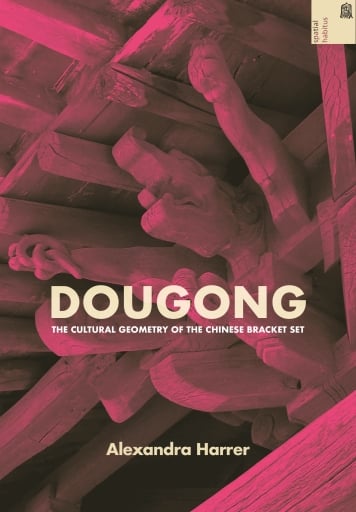
Dougong
Publié par University of Hawaii Press
Disponible dans 13 librairies
 Association of University Presses - Tienda FILUNI
🇺🇸
Visiter la boutique →
Association of University Presses - Tienda FILUNI
🇺🇸
Visiter la boutique →
 Bajalibros Argentina
🇦🇷
Visiter la boutique →
Bajalibros Argentina
🇦🇷
Visiter la boutique →
 Bajalibros Latam
🇺🇸
Visiter la boutique →
Bajalibros Latam
🇺🇸
Visiter la boutique →
 Bookshop Uruguay
🇺🇾
Visiter la boutique →
Bookshop Uruguay
🇺🇾
Visiter la boutique →









À propos de ce livre
Disponibilité
Dougong est disponible en eBook dans 13 librairies en ligne. Parmi les librairies qui le proposent : Association of University Presses - Tienda FILUNI, Bajalibros Argentina, Bajalibros Latam.
Catégories
- Langue
- English
Questions fréquentes
- Dans quels formats Dougong est-il disponible ?
- Dougong est disponible en eBook dans 13 librairies en ligne.
- Où puis-je acheter Dougong ?
- Vous pouvez acheter Dougong sur Association of University Presses - Tienda FILUNI, Bajalibros Argentina, Bajalibros Latam. Comparez toutes les options dans la liste de cette page.
Notes et avis
Pas encore de note. Soyez le premier à donner votre avis sur ce livre.
Se connecter pour noter ce livre et donner votre avis.
Vous aimerez aussi

Deutsche Und Italienische Einigung
Ygua, Ruben

Mare Nostrum
Ygua, Ruben

La era de los vikingos
Velasco Laguna, Manuel

La ventana discreta
Puigverd, Antoni

El Rey Salomon El Rey Mas Grande Y Sabio Del Mundo: El Rey Salomon,ilustraciones The Mika King
King, The Mika