
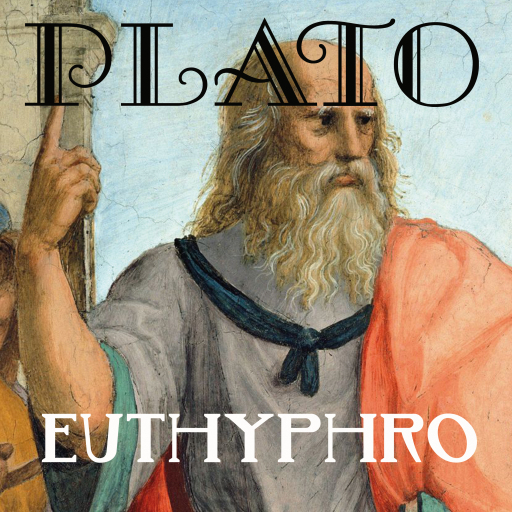
Euthyphro
Par Plato
Publié par Strelbytskyy Multimedia Publishing
English
2024
ISBN 4099995462456
Livre audio
Buy at LORANCHBOOKSTORE
🇺🇸
 Bajalibros Latam
🇺🇸
Visiter la boutique →
Bajalibros Latam
🇺🇸
Visiter la boutique →
 LORANCHBOOKSTORE
🇺🇸
Visiter la boutique →
LORANCHBOOKSTORE
🇺🇸
Visiter la boutique →
 Ebooks Librería Carlos Fuentes
🇲🇽
Visiter la boutique →
Ebooks Librería Carlos Fuentes
🇲🇽
Visiter la boutique →
 Viubux
🇲🇽
Visiter la boutique →
Viubux
🇲🇽
Visiter la boutique →
 ebooks libreria española
🇪🇨
Visiter la boutique →
ebooks libreria española
🇪🇨
Visiter la boutique →
 Bajalibros Argentina
🇦🇷
Visiter la boutique →
Bajalibros Argentina
🇦🇷
Visiter la boutique →
 Alpha Books
🇨🇴
Visiter la boutique →
Alpha Books
🇨🇴
Visiter la boutique →
 Sanborns Ebooks
🇲🇽
Visiter la boutique →
Sanborns Ebooks
🇲🇽
Visiter la boutique →
 ebooks Libreria del GAM
🇨🇱
Visiter la boutique →
ebooks Libreria del GAM
🇨🇱
Visiter la boutique →
 Bookshop Uruguay
🇺🇾
Visiter la boutique →
Bookshop Uruguay
🇺🇾
Visiter la boutique →
 Ebooks Yenny - El Ateneo
🇦🇷
Visiter la boutique →
Ebooks Yenny - El Ateneo
🇦🇷
Visiter la boutique →
 Crisol Ebooks
🇵🇪
Visiter la boutique →
Crisol Ebooks
🇵🇪
Visiter la boutique →
Disponible dans 12 librairies
Bajalibros Latam
🇺🇸
Visiter la boutique →
LORANCHBOOKSTORE
🇺🇸
Visiter la boutique →
Ebooks Librería Carlos Fuentes
🇲🇽
Visiter la boutique →
Viubux
🇲🇽
Visiter la boutique →
ebooks libreria española
🇪🇨
Visiter la boutique →
Bajalibros Argentina
🇦🇷
Visiter la boutique →
Alpha Books
🇨🇴
Visiter la boutique →
Sanborns Ebooks
🇲🇽
Visiter la boutique →
ebooks Libreria del GAM
🇨🇱
Visiter la boutique →
Bookshop Uruguay
🇺🇾
Visiter la boutique →
Ebooks Yenny - El Ateneo
🇦🇷
Visiter la boutique →
Crisol Ebooks
🇵🇪
Visiter la boutique →
À propos de ce livre
Euthyphro by Plato is a Socratic dialogue whose events occur in the weeks before the trial of Socrates (399 BC), between Socrates and Euthyphro.The dialogue covers subjects such as the meaning of piety and justice. As is common with Plato's earliest dialogues, it ends in aporia.
In this dialogue, Socrates meets Euthyphro at the porch of the archon basileus (the 'king magistrate') at that time. Socrates tells him that he is preparing to go to court against the charges of Meletus on the grounds of impiety. Euthyphro tells Socrates that he is going to court himself to prosecute his father for binding a worker in chains and leaving him to die. This has granted him the ire of his own family who believe his father was in the right. The worker had killed a fellow worker, which they believe exempts his father from liability for leaving him bound in the ditch to starve to death. Since Euthyphro seems assured of himself, Socrates asks him to define piety. His help will clarify Socrates' case in the courtroom. If Socrates is asked to define piety, he can simply rely on Euthyphro's definition. This however leads to the main dilemma of the dialogue when the two cannot come to a satisfactory conclusion. Is something pious because the gods approve of it or do the gods approve of it because it is pious? This aporic ending has led to one of the longest theological and meta-ethical debates in history.
Catégories
- Langue
- English
Partager
Vous aimerez aussi

Teodora, la Crisálida de Bizancio
Maeso De La Torre, Jesús
Oleum
Maeso De La Torre, Jesús

El cementerio de las hespérides (Un caso de Flavia Albia, investigadora romana 4)
Davis, Lindsey
Canción de antiguos amantes
Restrepo, Laura
Summary of The Republic
Plato
![Edith Wharton: The Complete Works [newly updated]](https://storage-aws-production.publica.la/bookwire-direct-sales/issues/2025/11/b1ERzN4z5AUk5VTu/53cfdf80-e0ed-475d-9b09-eba05d48a1c8_cover.jpg)
Edith Wharton: The Complete Works [newly updated]
Wharton, Edith